What Should I Ask My Doctor About My Sports Injury?
I have been treating sports injuries for nearly 30 years, and I can tell you the single biggest factor that separates patients who recover completely from those who drag the same problem around for years. It is not the severity of the injury. It is not age, or fitness level, or even how long they waited to come in.
It is whether they asked the right questions.
Most people walk into a clinical appointment, describe their pain, accept the diagnosis they are given, follow the instructions they are handed, and leave. That process works fine for simple problems. But sports injuries are rarely simple, and what you do not ask can cost you months of lost training, compensation patterns that create new injuries, and a body you learn to distrust instead of trust.
I have seen this play out hundreds of times. The patient who never asked what was actually torn ends up stretching an already irritated tendon for six months while wondering why it never gets better. The runner who did not ask about return-to-activity criteria goes back too soon and reinjures the same structure within three weeks. The weekend athlete who accepted "take some Advil and rest it" as a full treatment plan ends up with chronic tendinopathy because the underlying tissue degeneration was never addressed.
Here is what I want you to know before your next appointment.
What Is Actually Injured, and Why Does It Hurt
"I have tennis elbow" or "I have a rotator cuff issue" are labels. They tell you almost nothing about what is actually happening in the tissue and why you are experiencing pain. Before you leave any appointment, you should be able to answer: what specific structure is involved, what stage of the tissue damage process are we dealing with, and what is driving the pain right now.
This matters because treatment is tissue-specific. Tendinopathy and tendinitis are not the same condition, and they do not respond to the same interventions. Acute inflammation and chronic tissue degeneration require completely different approaches. A cortisone injection may give you temporary relief from inflammation, but if the underlying problem is degenerative tissue breakdown, that relief will last three weeks before the pain returns, and you will be no closer to an actual solution.
I had a patient not long ago, a man in his early 50s who had been dealing with lateral elbow pain for four months. He had done everything he was told: rest, ice, a compression sleeve, a cortisone injection. The shot gave him three weeks before the pain came back. He came to me after an orthopedic told him surgery was the next step.
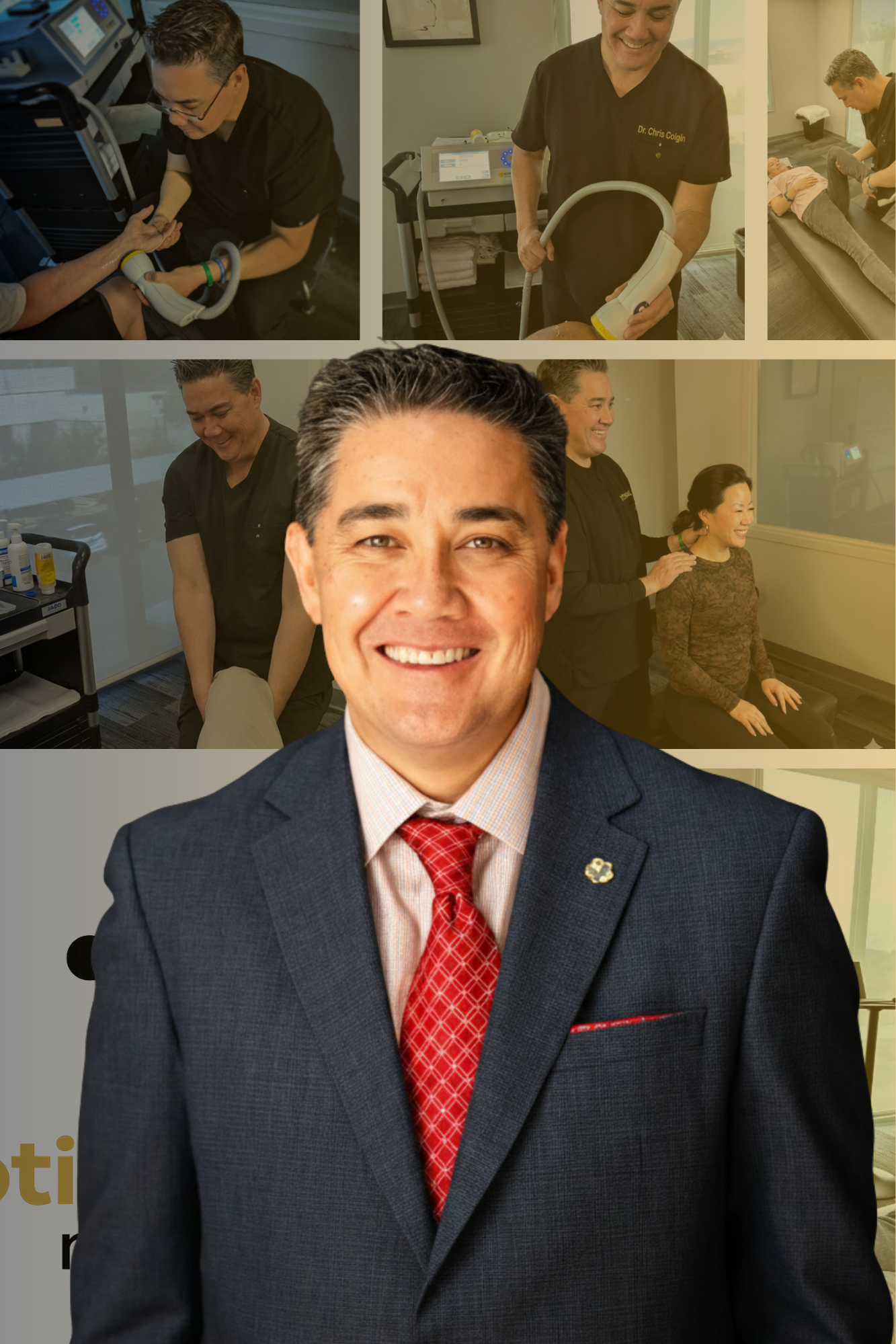
When I evaluated him, the issue was significant tendon degeneration, not primarily inflammation. That is why the cortisone kept wearing off. Cortisone addresses inflammation. It does not rebuild degenerative tissue. Once we understood what was actually injured, we could treat what was actually injured. We used SoftWave tissue regeneration therapy targeting the extensor tendon, combined with eccentric loading exercises and cervical and thoracic adjustments, because he also had significant restriction in his neck that was creating a hostile neurological environment for the entire arm. Within six visits he was back on the court. By visit ten he was essentially pain-free and stronger than before.
The question that would have changed everything, asked four months earlier: what is actually happening in the tissue, and is this primarily inflammation or degeneration?
Whether You Actually Need Imaging
A lot of patients either assume they need an MRI for everything or never think to ask for one. The right answer lives somewhere in between and depends entirely on the clinical picture.
X-ray is appropriate when there is a concern for fracture, particularly after high-impact trauma, when there is point tenderness directly over bone, or when you see visible deformity. It also gives useful information about joint space, alignment, and degenerative changes that can inform the treatment plan.
MRI is warranted when significant soft tissue involvement is suspected and the injury is not responding the way I would expect, or when the clinical picture does not match the history. Ligament tears, meniscus damage, labral pathology, rotator cuff tears, and stress fractures that will not appear on X-ray all belong in that category.
Ultrasound is genuinely underutilized and I consider it one of the most practical diagnostic tools available for soft tissue assessment, particularly for tendons, bursae, and superficial structures.
The clinical flags that push me toward imaging quickly: severe swelling disproportionate to the mechanism, joint instability, significant weakness or loss of function, neurological signs like numbness or radiating symptoms, and anything that simply does not fit the expected pattern. When symptoms are not improving on a reasonable timeline, I would rather image and confirm what I already suspect than miss something that changes the entire treatment approach.
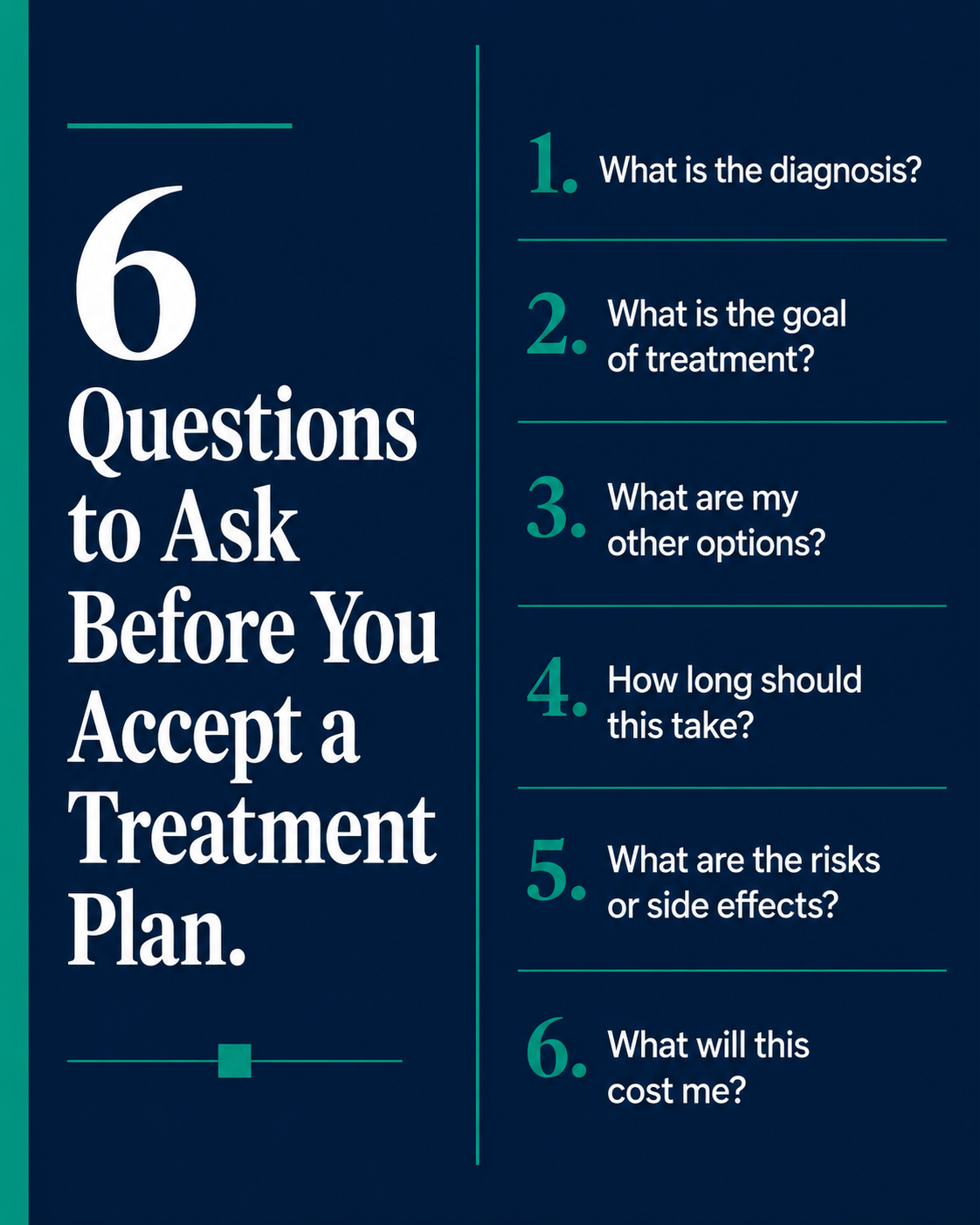
Ask your provider directly: does this injury need imaging before we start treatment? If the answer is no, ask why not. If the answer is yes, ask what we are specifically looking for and how it will change the plan.
What a Realistic Healing Timeline Looks Like
Expectations matter more than most clinicians acknowledge. I have watched patients lose confidence in a treatment that was working simply because nobody told them how long it was supposed to take.
Soft tissue healing follows a predictable biological process involving inflammation, proliferation, and remodeling. Depending on the structure involved, that full process can take weeks to several months. A Grade 1 ankle sprain is a different recovery arc than a partial rotator cuff tear, and a partial tear is a different arc than a chronic tendinopathy that has been building for two years.
Ask your provider: what is the realistic timeframe for this specific injury? What should I expect to feel at two weeks, four weeks, eight weeks? What would signal that we are on track, and what would signal that something is not working?
An honest answer to those questions does two things. It keeps you from abandoning a treatment plan prematurely because you expected it to work faster than tissue biology allows. And it keeps you from staying in a plan that genuinely is not producing results when it should be.
What You Can Keep Doing While You Heal
One of the most common and costly mistakes I see is the assumption that injury means complete rest. Most of the time, that is simply not true, and research consistently shows that controlled movement during recovery supports tissue healing rather than impeding it.
The question is not "can I keep training" but "what can I keep doing, and in what form." A runner with Achilles tendinopathy may not be able to run, but they can almost certainly maintain cardiovascular fitness, work on hip stability, and do eccentric heel work that actively supports the healing tendon. A swimmer with rotator cuff irritation may need to modify their stroke mechanics or temporarily eliminate overhead loading while continuing lower-body conditioning entirely.
Complete rest, while sometimes genuinely necessary, can lead to deconditioning, loss of proprioception, and the kind of return-to-sport shock where the body has not been prepared for the demands it is being asked to meet. Modified activity, done correctly, maintains the neuromuscular and cardiovascular base and supports tissue healing through appropriate mechanical load.
Ask specifically: what modified activity is appropriate right now, and what is the pain guideline during that activity? Because there is a meaningful difference between discomfort from deconditioning and pain from tissue damage, and you need clear guidance on that distinction before you step back on a field or into a gym.
What Is Going to Make This Worse
Understanding the aggravating factors of your injury gives you something that passive treatment alone cannot: control.
Most patients know what hurts. Fewer understand why it hurts, which means they keep accidentally recreating the conditions that caused the injury or slow the healing down. The runner who keeps heel-striking on a recovering stress reaction. The person with chronic low back pain who cannot figure out why their disc flare-up keeps returning, until someone asks them about their lifting mechanics and their sleep position. The CrossFit athlete with shoulder impingement who keeps doing pull-ups because no one explained what impingement actually is and what loads are driving it.
Ask your provider: what positions, movements, and activities should I specifically avoid right now? What is the mechanism that keeps aggravating this, and what do I need to change structurally to stop recreating the problem?
I also want my patients to understand their training load history. Overuse injuries almost always have a load story behind them, whether it was a rapid mileage increase, a new movement pattern introduced too quickly, or a shift in schedule that removed adequate recovery time. Identifying that story is part of what allows us to fix the problem rather than just treat the symptom.
What Criteria Actually Qualify You to Return to Activity
This is the question I wish every athlete thought to ask before their provider simply told them "come back in six weeks."
A timeline is a guideline. It is not a guarantee of readiness. The real criteria for safe return to activity are functional: restored strength and stability at the injured site, full or near-full pain-free range of motion, the ability to perform sport-specific movements without compensating, and a clear warmup and loading protocol for the return period.
I had a patient come in recently, a woman in her mid-40s who was a recreational runner. She had been calling her problem "hip flexor tightness" for eight months. She had been stretching it constantly, foam rolling, doing yoga. Nothing was helping. When I actually evaluated her movement, the problem was not tightness at all. It was hip flexor tendinopathy combined with significant core stability deficits. She had been stretching an already irritated tendon, which kept it inflamed and prevented any real healing. We stopped all passive stretching, began SoftWave therapy on the affected tendon, addressed her lumbar mechanics, and built a proper hip and core strengthening program. She ran a 5K twelve weeks later with no pain.
The criteria for her return were not calendar-based. They were strength-based, movement-based, and symptom-based. When the tissue was ready and the supporting structure was capable, she went back. Not a day earlier, not a week later.
Ask your provider: what specific functional criteria do I need to meet before returning to full activity? What is my warmup protocol going forward? And critically, what is my recurrence risk and what needs to change in my training to manage it long-term?
What Happens If You Do Nothing
I ask every patient this question on their first visit, and I want patients to feel comfortable asking their providers the same.
Understanding the natural history of your condition changes how you think about the decision to pursue care. For some injuries, honest answer is that it will likely resolve on its own given time and modified activity. For others, the answer is that without intervention, what is currently a manageable problem becomes a chronic condition with a much narrower set of solutions.
Chronic tendinopathy, for example, rarely resolves without targeted loading and tissue rehabilitation. Unaddressed disc pathology can progress. A chronically unstable ankle, undertreated and repeatedly sprained, accumulates joint damage that changes the picture entirely over time. These are not scare tactics. They are the natural history of specific tissue problems, and you deserve to understand them clearly so you can make an informed decision about your own care.
How SoftWave, Chiropractic, and Laser-Enhanced Decompression Fit Into Sports Injury Recovery
For most of the injuries I described above, my clinical approach combines hands-on care with targeted tissue regeneration. Chiropractic adjustments restore joint mechanics and neurological function, which is particularly important when a peripheral injury is being amplified by restricted movement patterns in the spine. A shoulder problem accompanied by cervical restriction is not going to fully resolve if we only address the shoulder.
SoftWave tissue regeneration therapy uses electrohydraulic supersonic acoustic waves to stimulate angiogenesis, stem cell recruitment, and growth factor release at the tissue level. It is not pain relief layered on top of degeneration. It changes the tissue environment at the cellular level, which is why I see it consistently outperform older modalities for tendinopathy, chronic joint irritation, and post-injury soft tissue repair.
Laser-enhanced spinal decompression addresses the disc and nerve root environment for cases where axial loading is a significant driver of symptoms, including radiating pain, nerve root compression, and disc pathology that does not have a surgical indication.
If you are receiving any of these therapies, RECOVER™ by AgeRecode may help your body extend the work that happens in the office between visits. It contains BPC-157, GHK-Cu, and Carnosine delivered through a multi-phase enteric system, supporting tissue repair, lowering inflammatory burden, and providing the cellular building blocks that the healing process requires. The office visits initiate the regenerative response. RECOVER™ gives your body what it needs to sustain and complete it.
Come In Before It Becomes Something Bigger
If you are dealing with a sports injury, whether it happened last week or has been bothering you for months, the most important first step is understanding what is actually going on. Not a guess. Not a label. The actual tissue, the actual mechanism, and a clear plan based on what your body specifically needs.
Call or text us at 702-541-9060 to schedule your $48 New Patient Evaluation at Optimal Health Members in Henderson, Nevada. We will find out what is actually going on and give you a clear, honest plan to get you back to doing what you love. Not a modified version of it. The actual thing.
If SoftWave therapy seems relevant to your injury after your evaluation, we can have that conversation in person. Most patients who needed it wish they had started sooner.