Thinking about starting GLP-1?
If you've stalled out on weight loss despite doing everything right, you are not broken and you are not lacking willpower. I see this every week in my office. Patients who have cleaned up their diet, started moving more, and the scale simply will not move. That frustration is exactly why GLP-1 medications and natural alternatives like GLP THREE have become such a big part of the conversation in my practice.
Why I Talk About Both Prescription GLP-1s and GLP THREE
I have patients on prescription semaglutide and tirzepatide, and I have patients using GLP THREE as a natural alternative. I don't think it's honest to only talk about one side of this. People deserve to know their full range of options, what each one actually does, what it costs, and what the real tradeoffs are, not just whichever option happens to be sold in the office they walked into.
My position on GLP-1s, prescription or natural, is simple. They are a legitimate tool, not a shortcut, and definitely not a replacement for doing the work. I have watched these medications help people break through metabolic resistance that diet and exercise alone could not touch. That is real and valuable. I have also watched people use them as a way to avoid building the habits that actually sustain weight loss long term. Research on GLP-1 receptor agonists published through the National Institutes of Health backs up what I see clinically: these medications work best as part of a broader metabolic strategy, not as a standalone fix.
What Most Patients Don't Understand Before They Start
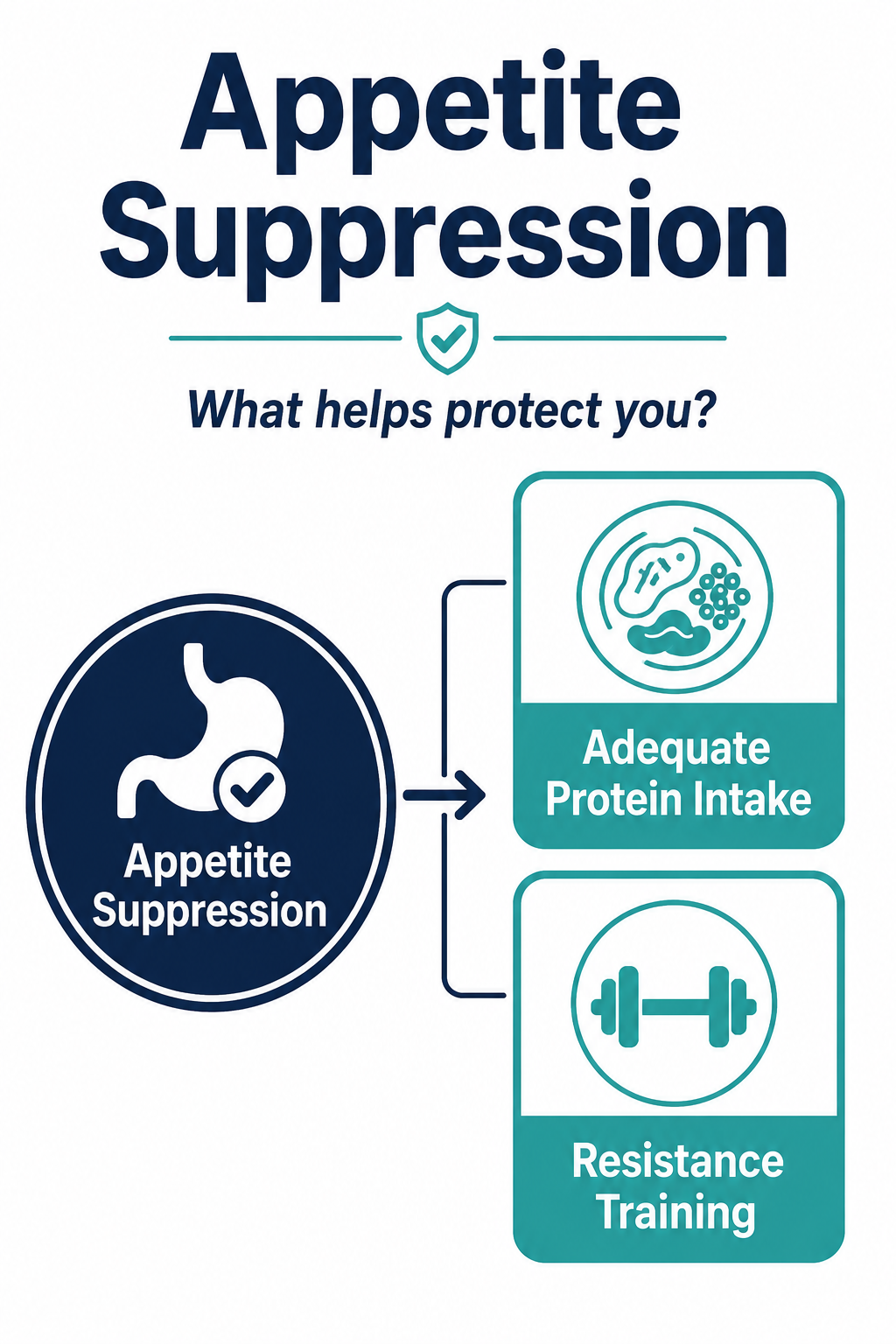
The number one misunderstanding I run into is that patients think this is just an appetite suppressant. It is actually a metabolic intervention, and your body responds to it based on how you feed and move it. Most people assume less hunger automatically equals success. They don't realize that without enough protein and resistance training, they can lose as much muscle as fat, which slows their metabolism down even further. The Mayo Clinic notes this exact concern with rapid pharmaceutical weight loss, muscle preservation has to be part of the plan from day one.
They also don't understand that this is meant to be a bridge, not a permanent crutch. Nobody explains the exit plan up front, so when patients stop, or when they can't get the medication due to cost or supply issues, they get blindsided by the rebound.
Who Actually Makes a Good Candidate
The patients who do best with GLP-1 support, whether that is a prescription medication or something like GLP THREE, are the ones who have already tried to do this the right way and hit a wall. They have cleaned up their diet, they are moving their body, and the scale still will not budge, or their blood sugar keeps creeping up. That is metabolic resistance, not a lack of willpower. If someone has insulin resistance, a strong family history of diabetes, or thirty or more pounds to lose with stalled progress despite real effort, that is exactly who this is designed for. I also look favorably on patients who are coachable, people who understand this is a tool that works alongside lifestyle change, not a replacement for it.
Who Should Pump the Brakes First
I get cautious with anyone who has untreated gut issues, severe digestive dysfunction, or a history of gastroparesis. These medications slow digestion down, and if your gut is already struggling, you are asking for trouble. The NIH has documented gastrointestinal side effects as the most common reason patients discontinue GLP-1 therapy, so this is not a small consideration.
I also pump the brakes with patients who have a history of disordered eating. Appetite suppression layered on top of an unhealthy relationship with food can spiral fast. And honestly, anyone who comes to me looking for a quick fix with zero interest in changing how they eat or move, I will still talk with them, but I am honest that they are setting themselves up to regain everything the moment they stop.
The Baseline Information I Want Before Anyone Starts
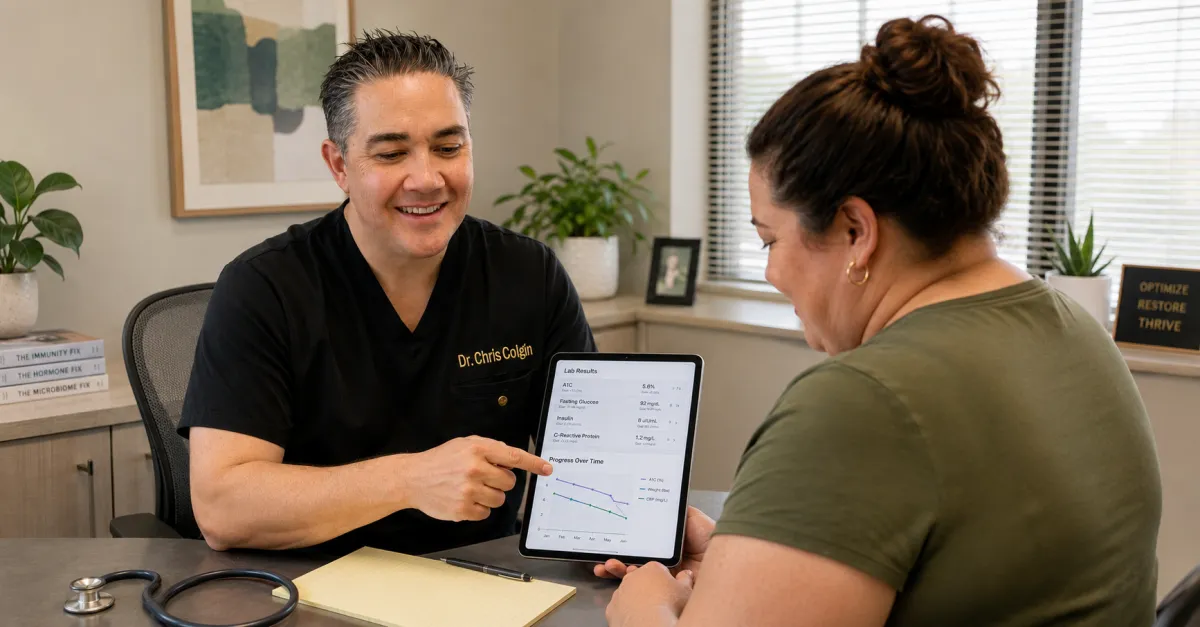
Before anyone starts, I want a real picture of where they are at, not just a number on the scale. That means a thyroid panel, fasting insulin and glucose, a basic metabolic panel, and ideally a look at body composition rather than weight alone. I want to know about muscle mass because that is the thing nobody talks about and everyone loses if they are not careful. I also ask detailed questions about digestion, current medications, and eating patterns. Are they skipping meals? Living on processed food? Under eating protein? That baseline tells me far more about what is going to happen on this protocol than the number on the scale ever could.
Side Effects and the Practical Stuff Nobody Mentions
Nausea is the big one early on, especially if the dose ramps up too fast. Constipation is right behind it, and most people are not drinking enough water or getting enough fiber to begin with, so it gets worse. Appetite loss sounds like the goal, but it becomes a problem when people stop eating enough to preserve muscle. Fatigue can show up too, especially when protein and overall calorie intake fall too low. The Johns Hopkins Medicine team outlines these same side effects clearly for anyone considering this class of medication.
Then there is the real world stuff. Cost, insurance fighting you on coverage, pharmacy supply issues. That is actually one of the reasons I started talking to my patients about GLP THREE, because the insurance maze and shortage headaches with the injectable drugs are real, and not everyone can navigate that.
The Biggest Mistake I See Patients Make
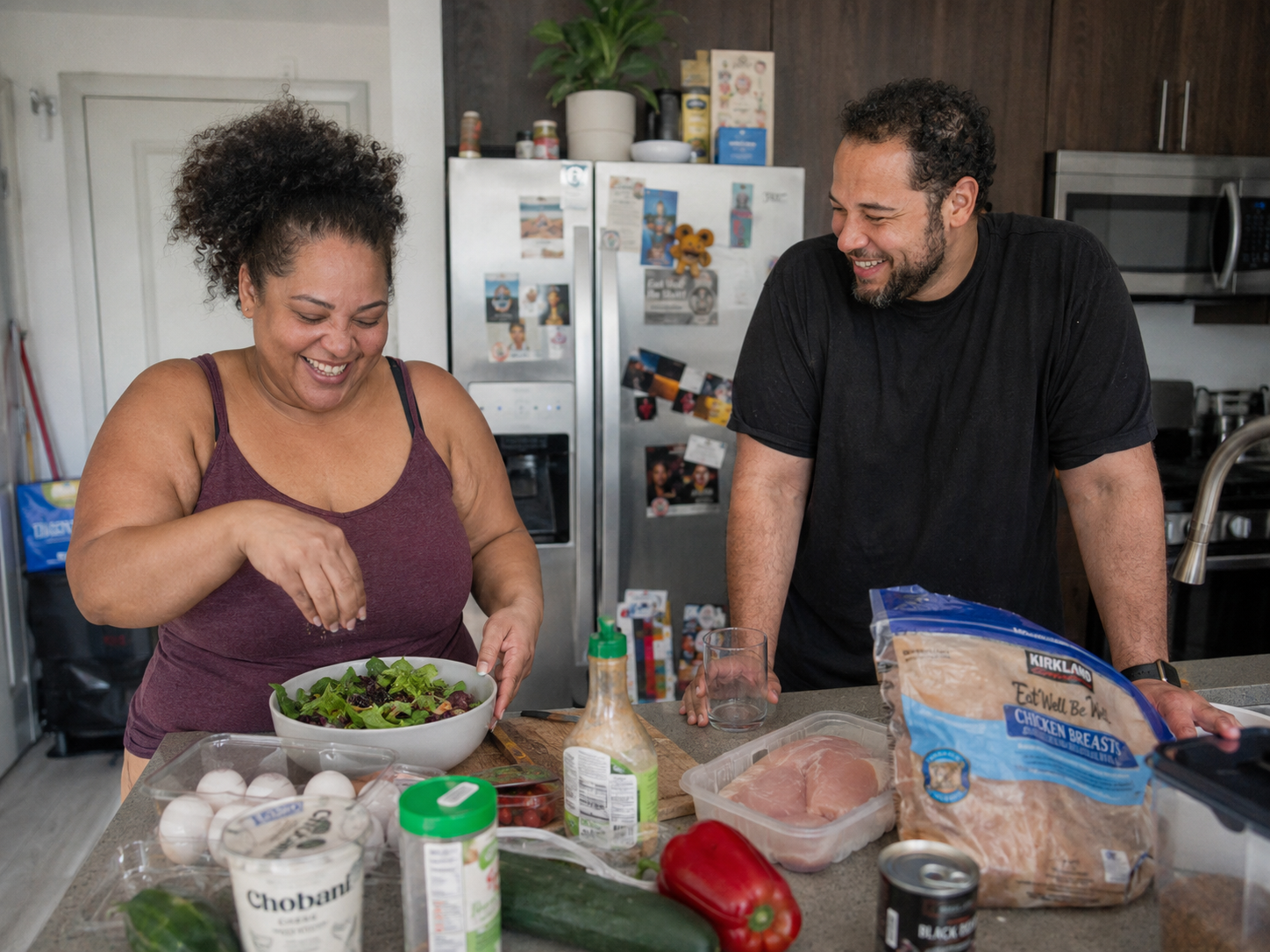
Hands down, not eating enough protein and not strength training. People get excited about the appetite suppression and let calories drop too low without paying attention to protein, and they lose muscle right along with the fat. Six months later they are lighter on the scale but weaker, with a slower metabolism than when they started. I tell patients constantly, this medication is not a substitute for resistance training, it is a window where exercise actually does more good than usual. The other big mistake is treating it as forever without an exit plan. People stop cold turkey with no strategy for maintenance and wonder why the weight comes back.
A Story From My Office
I had a patient, mid 40s, who had plateaued for over a year despite doing everything right with her diet. Once we got her on a GLP-1 approach alongside real strength training and protein targets, she dropped the weight and kept her muscle, and more importantly, her labs improved across the board. That is the win I want to see, not just the number on the scale.
On the flip side, I have had patients who started on their own through an online clinic with zero guidance, ate almost nothing, lost a noticeable amount of muscle, and ended up weaker and more fatigued than before they started. That is the cautionary tale I bring up constantly. The medication did not fail them. The lack of a plan around it did.

What To Do Next
If you are reading this and recognizing yourself in any of it, stalled progress, frustration with insurance, curiosity about a natural option, the next step is simple. Come in and talk to me. Book a consult so we can actually look at your labs and your history instead of guessing. If cost or access to the injectable medications has been the barrier, ask me about GLP THREE specifically, available both in office here in Henderson and online nationwide. And if you are already on a GLP-1 through someone else with no real oversight, that is still worth a conversation. I would rather you have a plan than just hope it works out.
If you have questions about whether a GLP-1 medication or GLP THREE makes sense for your situation, call my office in Henderson at 702-541-9060, or visit optimalhealthmembers.com to learn more about our doctor-supervised weight loss program available both in office and online nationwide.