SoftWave for Hip Bursitis: What I Want You to Know Before Your Next Cortisone Shot
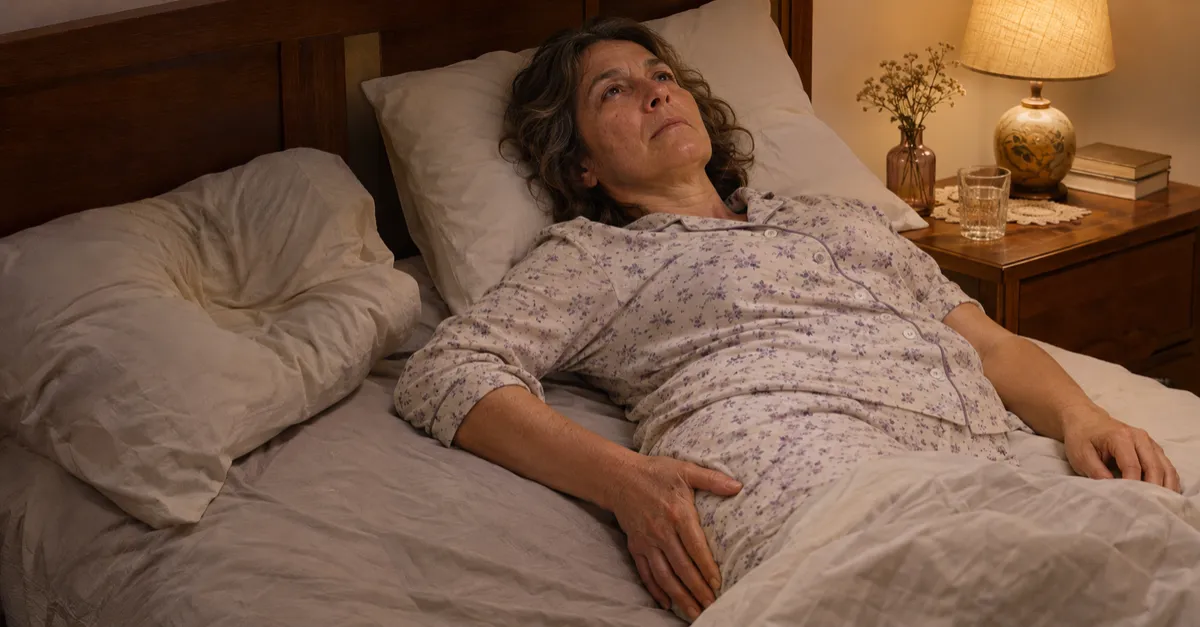
You know the spot. It’s the bony point on the outside of your hip, right where your jeans pocket sits. It aches when you climb stairs. It barks when you get out of the car. And at night, the moment you roll onto that side, it wakes you up. Maybe you’ve been told it’s hip bursitis. Maybe you’ve had a shot that helped for a few weeks before the pain crept back. If that’s where you are, I want to walk you through what I’ve learned about this problem over nearly 30 years in practice, and why SoftWave has become one of the tools I reach for.
Quick Answer: SoftWave is an acoustic wave therapy that helps restart the body’s repair response in slow-healing tissue. For pain labeled hip bursitis, it can be a strong option because the real problem is often an irritated gluteal tendon, not just the bursa. In my practice, it works best combined with movement correction and strengthening.
Key Takeaways
In many cases, outer hip pain called “bursitis” involves the gluteal tendons, and imaging research shows trochanteric bursitis rarely appears without that tendon involvement.
Cortisone injections can calm symptoms, but in a major trial, education plus exercise did better than a single shot for long-term global improvement.
A 2024 meta-analysis found shockwave therapy reduced pain more than other treatments at two to four months for greater trochanteric pain syndrome.
SoftWave works best paired with strengthening, movement correction, and changes to daily habits that load the tendon.
Sudden severe pain after a fall, deep groin pain, fever, or leg numbness need a proper workup before considering SoftWave.
Why “Hip Bursitis” Is Often a Tendon Problem in Disguise
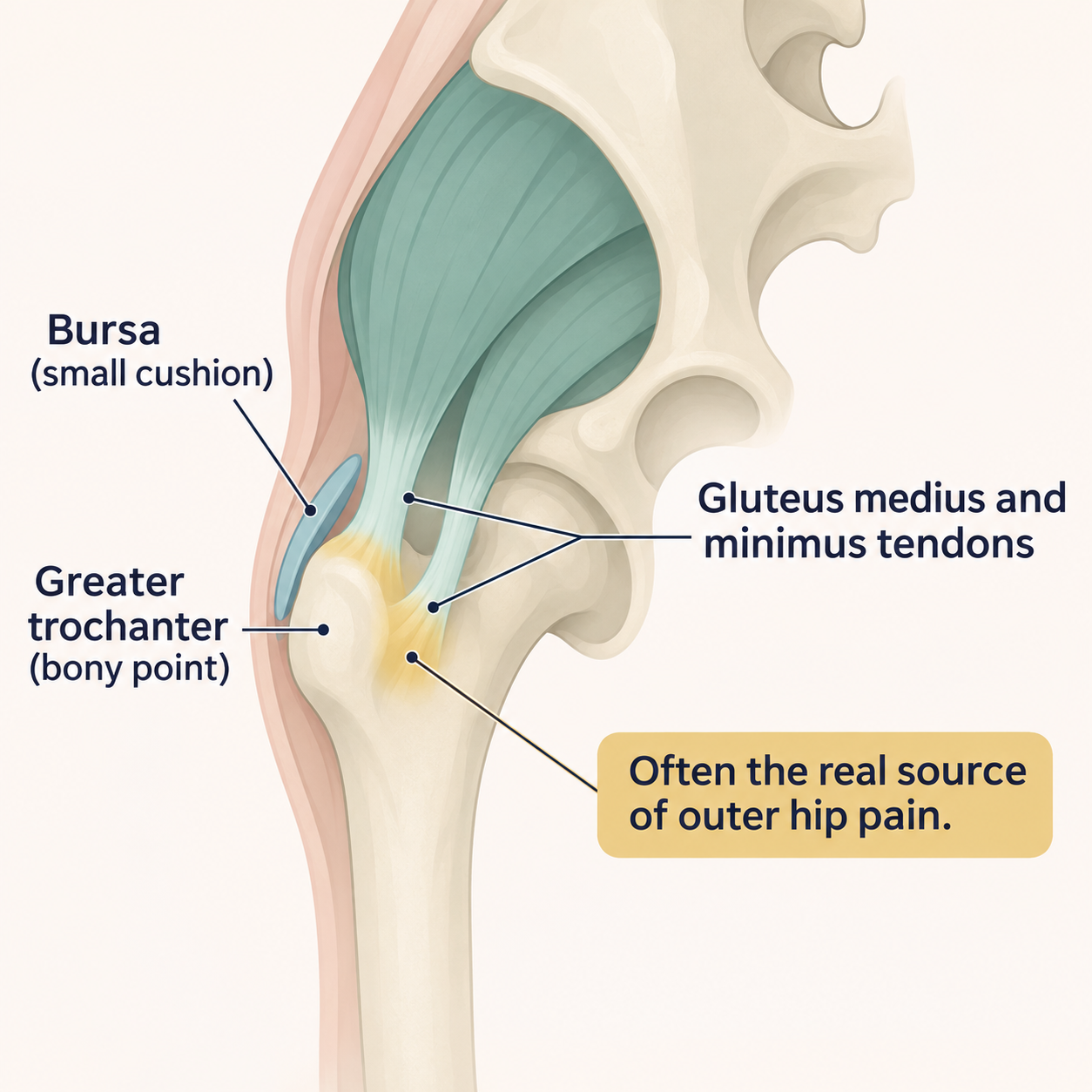
When a patient points to the outside of the hip and says “I have bursitis,” I take it seriously, but I also start looking past the label. A bursa is a small fluid-filled cushion, and the Mayo Clinic describes bursitis as inflammation of those cushions. The trouble is that the bursa usually isn’t working alone.
Right next to it sit the tendons of the gluteus medius and gluteus minimus, the muscles that keep your pelvis level every time you take a step. When those tendons get irritated or start to break down, the pain lands in exactly the same spot. In fact, an MRI study of 1,000 hips found that trochanteric bursitis showed up almost exclusively when the gluteal tendons were also involved. That’s why the research world now uses the broader term greater trochanteric pain syndrome.
Here’s why I care so much about the name. If you only treat the bursa, you may be treating the smoke and not the fire. Most of the patients I see with recurring outer hip pain have a tendon that needs to heal, not just inflammation that needs to be quieted.
What Most People Try First, and Why the Relief Often Fades
By the time someone reaches my office, they’ve usually tried ibuprofen, some stretches from the internet, maybe physical therapy, and almost always a cortisone shot or two. The shot is the one I hear about most. Patients tell me it felt great for a few weeks, and then the ache came back, sometimes worse than before.
That pattern makes sense to me. Cortisone can calm things down, but it doesn’t rebuild a tendon that’s been under strain for months. A randomized trial published in the BMJ compared a single corticosteroid injection with an education and exercise program for gluteal tendinopathy. The exercise group did better at eight weeks and reported better overall improvement at one year.
I’m not against injections across the board. There are cases where one is the right call. I just don’t believe it should be the whole plan, and I don’t think anyone should get a third or fourth shot without someone asking why the first two didn’t last.
The Habits That Keep Outer Hip Pain Going
The most common mistake I see is people hammering their IT band with a foam roller. They read that a tight IT band causes hip pain, so they roll that area hard every single day. When the real problem is an irritated tendon sitting right underneath, all that pressure can keep it stirred up.
The second mistake is posture. Sitting cross-legged, standing with all your weight hanging on one hip, or sleeping on the painful side with the top knee dropped forward all squeeze that tendon against the bone, over and over.
I tell my patients that what they do the other 23 hours of the day matters as much as anything we do in the office. A few small changes, like a pillow between the knees at night and standing evenly on both feet, can take a surprising amount of load off a tendon that’s trying to heal.
What SoftWave Is and What It Feels Like
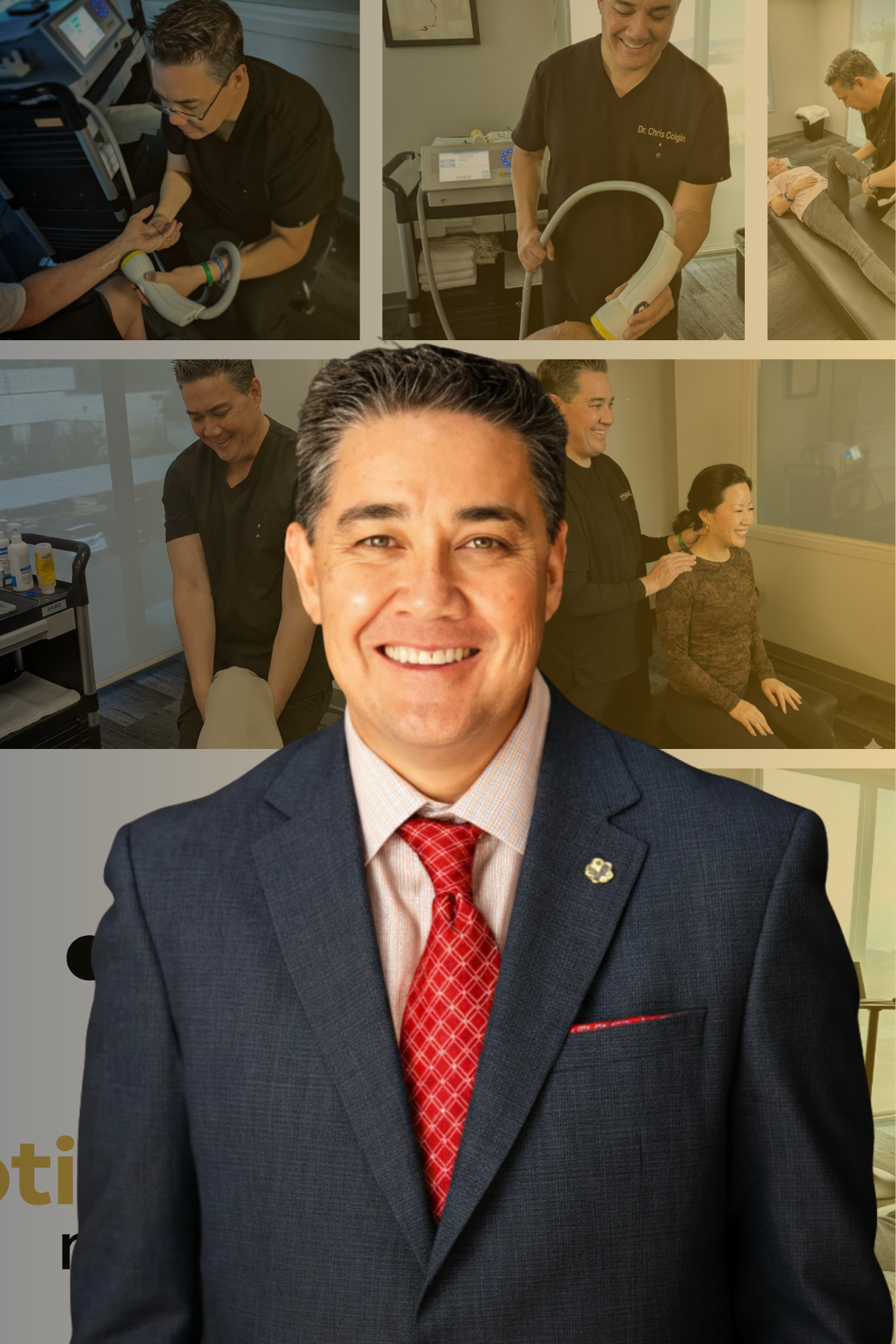
SoftWave is a form of acoustic wave therapy. We use a handheld applicator that sends sound wave energy into the tissue. The way I explain it in the room: it gives tissue that has stopped trying to heal a signal to start again, encouraging blood flow and cellular activity in an area that’s been stuck.
What sets SoftWave apart from older focused shockwave devices is the wave pattern. Instead of concentrating energy on one tight point, it spreads that energy across a broader zone. For the hip, that matters, because the painful area often covers the tendon, the bursa, and the surrounding attachment, and we can address the whole region in one session.
Most patients describe the sensation as a firm tapping or clicking. The majority tolerate it well without any numbing, and there’s no downtime afterward. You can walk out and go about your day.
Why SoftWave Fits the Outer Hip So Well
Tendons don’t have a rich blood supply to begin with. Once they’ve been irritated for months, the body more or less stops trying to repair them. That’s exactly the kind of tissue where I want to give the healing process a push.
The research on shockwave therapy for this condition is encouraging, though I’ll be honest about its limits. A 2024 meta-analysis of eight randomized trials found that shockwave therapy gave lower pain scores than other treatments at two to four months for greater trochanteric pain syndrome, while noting that many of the included studies carried a high risk of bias. An earlier systematic review of trochanteric bursitis treatments found low-energy shockwave therapy performed better than other nonsurgical options in the comparison studies available at the time.
That lines up with what I see. The patients who do best tend to notice their relief building week by week, rather than peaking and fading like it did after a shot.
Why I Think We Wait Too Long to Try Regenerative Options
This is where I part ways with a lot of the standard thinking. The usual path for outer hip pain goes like this: rest, anti-inflammatories, a shot, another shot, physical therapy, and only after all of that fails does anyone bring up something like SoftWave.
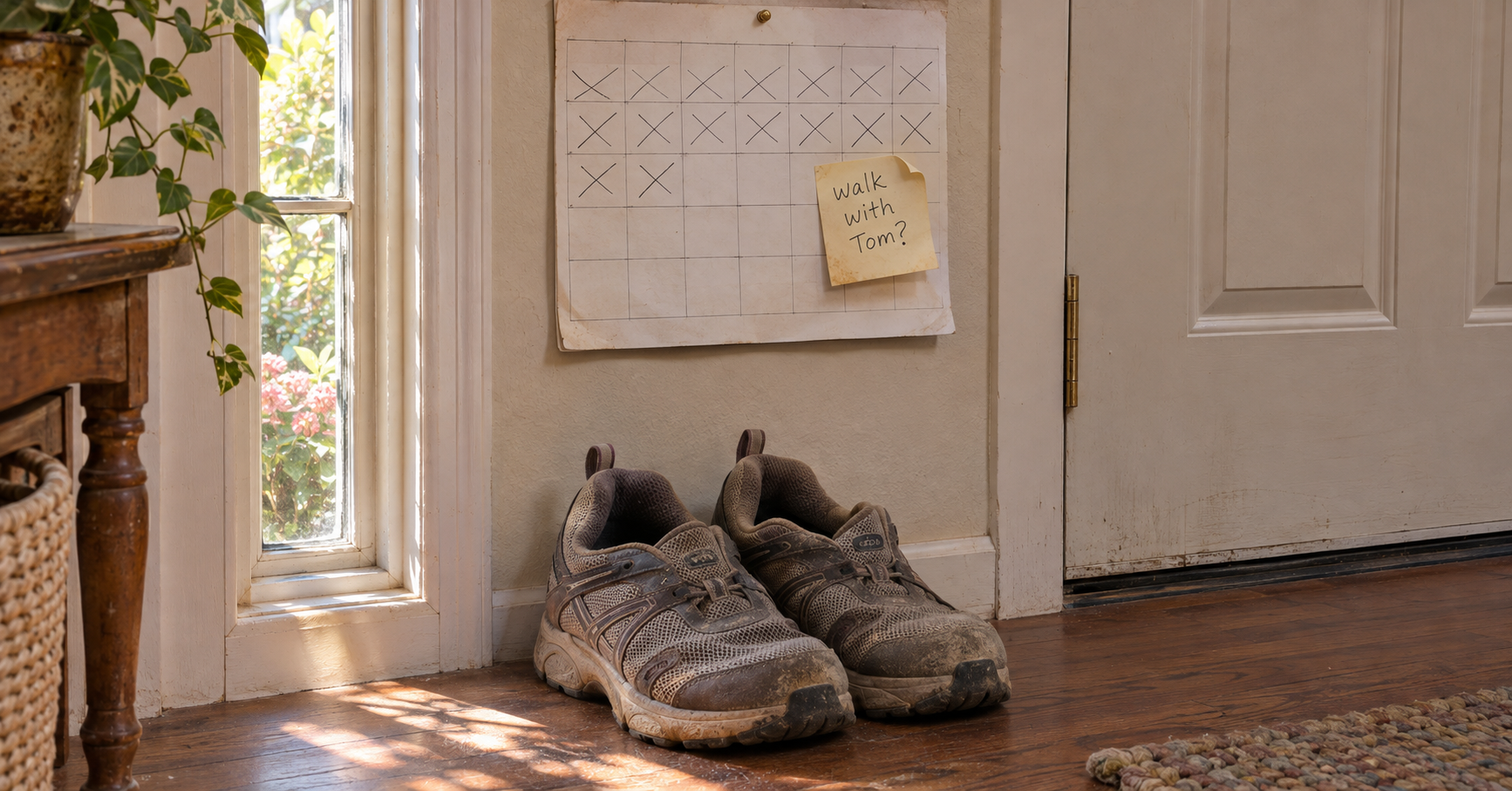
By then, the person has often lost a year. A year of not sleeping comfortably. A year of skipping walks with their spouse, sitting out with the grandkids, avoiding the stairs. I’d rather look at the tissue early and give it a chance to heal while it still responds well.
I also think we lean too hard on “inflammation” as the whole explanation. If the core issue is a tendon that’s been slowly wearing down, chasing inflammation alone won’t solve it. You have to support the repair.
What a SoftWave Plan Looks Like at Optimal Health Members
A SoftWave session for the hip is short, usually around ten to fifteen minutes. How many sessions you’ll need depends on how long the tissue has been irritated and what we find on your exam, and we map that out together at your first visit. Some patients notice a change after the first visit or two. Others notice it gradually, until one morning they realize they slept through the night on that side without thinking about it. Results vary from person to person, and I’ll always be straight with you about what I’m seeing.
SoftWave is never the only thing we do. Before I treat a hip, I watch how you walk, how your pelvis moves, and how well those side hip muscles fire. A weak or poorly firing gluteus medius will keep overloading that tendon no matter how good the treatment is.
SoftWave Works Best as Part of a Bigger Plan
The hip doesn’t work alone. If the pelvis is tilted or the lower back isn’t moving well, one hip ends up carrying more than its share. I’ve traced plenty of stubborn outer hip pain back, at least in part, to how someone was moving through their low back and pelvis. That’s why we pair SoftWave with chiropractic adjustments where they’re needed, Class 4 laser therapy when it fits the case, and simple strengthening for the side hip muscles. A review in Current Sports Medicine Reports makes the same point: shockwave therapy should be combined with physical therapy to support longer-term gains.
Healing also doesn’t stop when you leave my table. The tissue keeps doing its repair work between visits, and that’s where nutrition and recovery support come in. For patients who want extra support during that window, I often recommend RECOVER™, a peptide and antioxidant complex that combines BPC-157, GHK-Cu, and carnosine in a multi-phase capsule designed to protect the peptides through digestion. It’s not a replacement for hands-on care. SoftWave, laser, and adjustments start the healing process, and RECOVER™ helps support the body’s natural tissue repair and collagen production between visits. If you take a blood thinner or are pregnant, talk with your provider before starting it.
What Changed My Thinking About Hip Pain
After nearly 30 years, the biggest shift for me is how quickly I stop accepting the phrase “you’ll just have to live with it.” I hear it from patients all the time. Someone told them their hip pain was simply part of getting older, and they believed it.
In my experience, that phrase usually comes from someone who ran out of tools, not from a patient who ran out of options. Outer hip pain is common, especially for women over 50, and research estimates it affects about 17.6% of adults between 50 and 79. Something that common deserves more than a shrug and a prescription.
Who Should Try SoftWave, and Who Needs a Different Workup First
A good candidate for SoftWave is someone with pain on the outside of the hip that has lasted more than a few weeks, especially if it came back after a cortisone shot or hasn’t budged with rest and stretching. Active people tend to do well. So do people whose main goal is simply sleeping through the night again.
Some situations need a different first step. Sudden severe hip pain after a fall, pain deep in the groin that may point to the hip joint itself, fever, or numbness and weakness running down the leg all call for a proper workup, sometimes with imaging, before we talk about SoftWave. Part of my job is telling you when this isn’t the right tool, and I take that part as seriously as the treatment itself.

If Your Hip Has Been Telling You Something for a While
If you’ve been living with that ache on the outside of your hip, and especially if a shot gave you relief that didn’t last, I’d like to take a closer look. At Optimal Health Members, we’ll figure out whether this is a bursa problem, a tendon problem, or both, and whether SoftWave makes sense for you. No pressure, just an honest exam and a clear plan. You can reach our office at (702) 541-9060.