Runner's Knee: Treatment Options That Actually Help
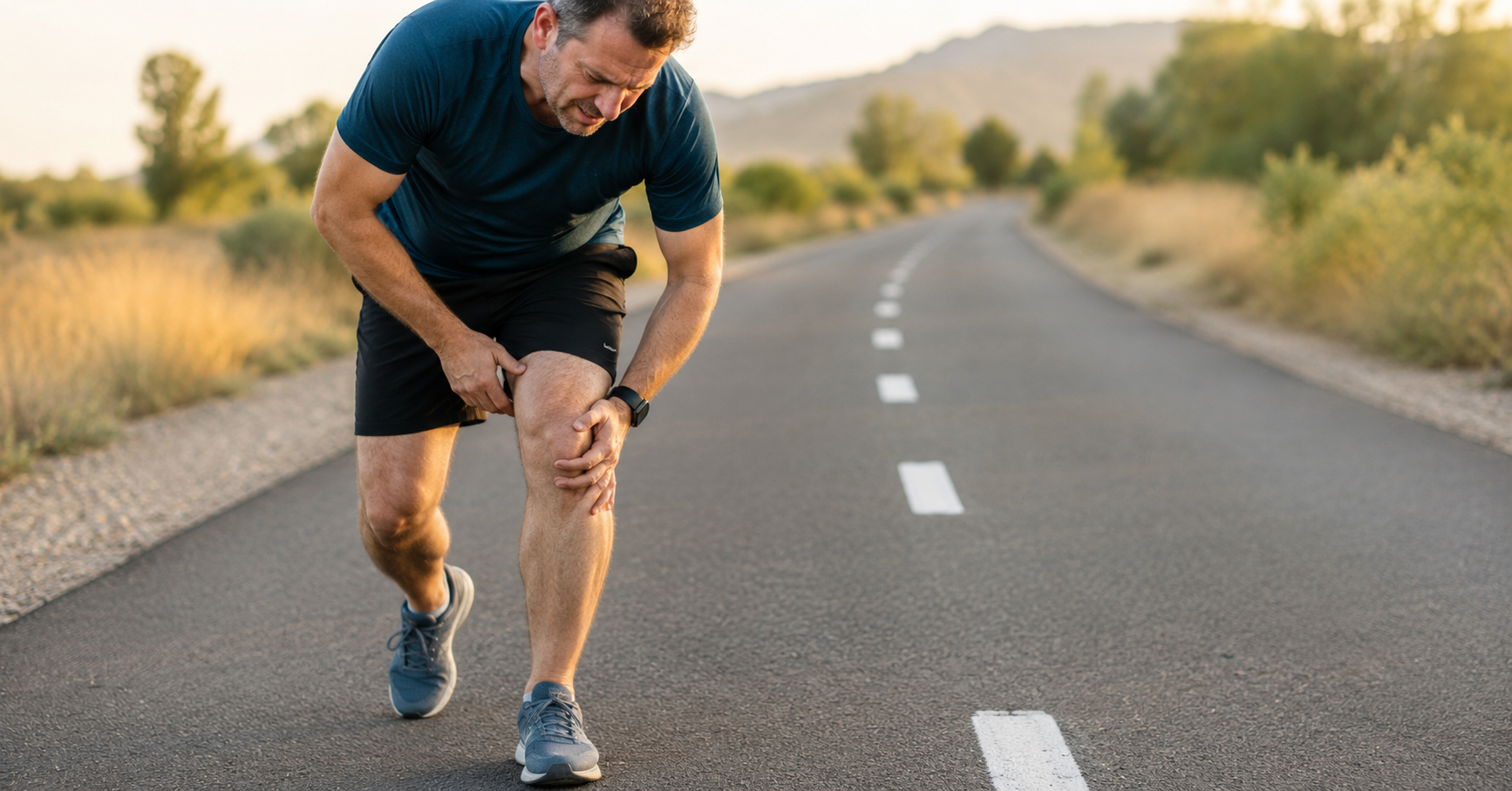
If you're a runner, you already know the feeling. That dull ache around or behind the kneecap that shows up a mile or two into your run, or the next morning going down stairs. You've probably iced it, rested a few days, maybe popped some ibuprofen, and told yourself it would work itself out. And maybe it did, for a while. Then you laced back up and there it was again.
I've treated this exact pattern in runners for almost 30 years, and I want to walk you through what's actually going on, what helps, and what's probably keeping you stuck in the same cycle.
Quick Answer:
Runner's knee, or patellofemoral pain syndrome, is pain around the kneecap caused by the kneecap tracking improperly, usually from hip and glute weakness rather than knee damage itself. Effective treatment addresses the hip and pelvis through chiropractic care, hip-focused strengthening, and therapies like Class 4 laser that reduce inflammation, rather than resting and hoping it resolves on its own.
Key Takeaways
Runner's knee is most often a hip and mechanical tracking issue, not structural knee damage, as documented by Johns Hopkins Medicine.
A systematic review of randomized controlled trials found hip muscle strengthening effectively reduces pain and improves function in patellofemoral pain syndrome.
Most cases respond to conservative, non-surgical care within four to eight weeks when the hip is addressed alongside the knee.
Returning to full mileage before the underlying weakness is corrected is one of the most common reasons this injury keeps coming back.
Class 4 laser therapy paired with chiropractic adjustments can meaningfully shorten recovery time compared to rest alone.
What Runner's Knee Actually Is
Runner's knee, medically known as patellofemoral pain syndrome, is pain around or behind the kneecap that typically shows up with repetitive loading activities like running, squatting, or descending stairs. Johns Hopkins Medicine describes it as pain where the kneecap meets the lower end of the thighbone, often related to how you walk or run rather than a single traumatic injury.
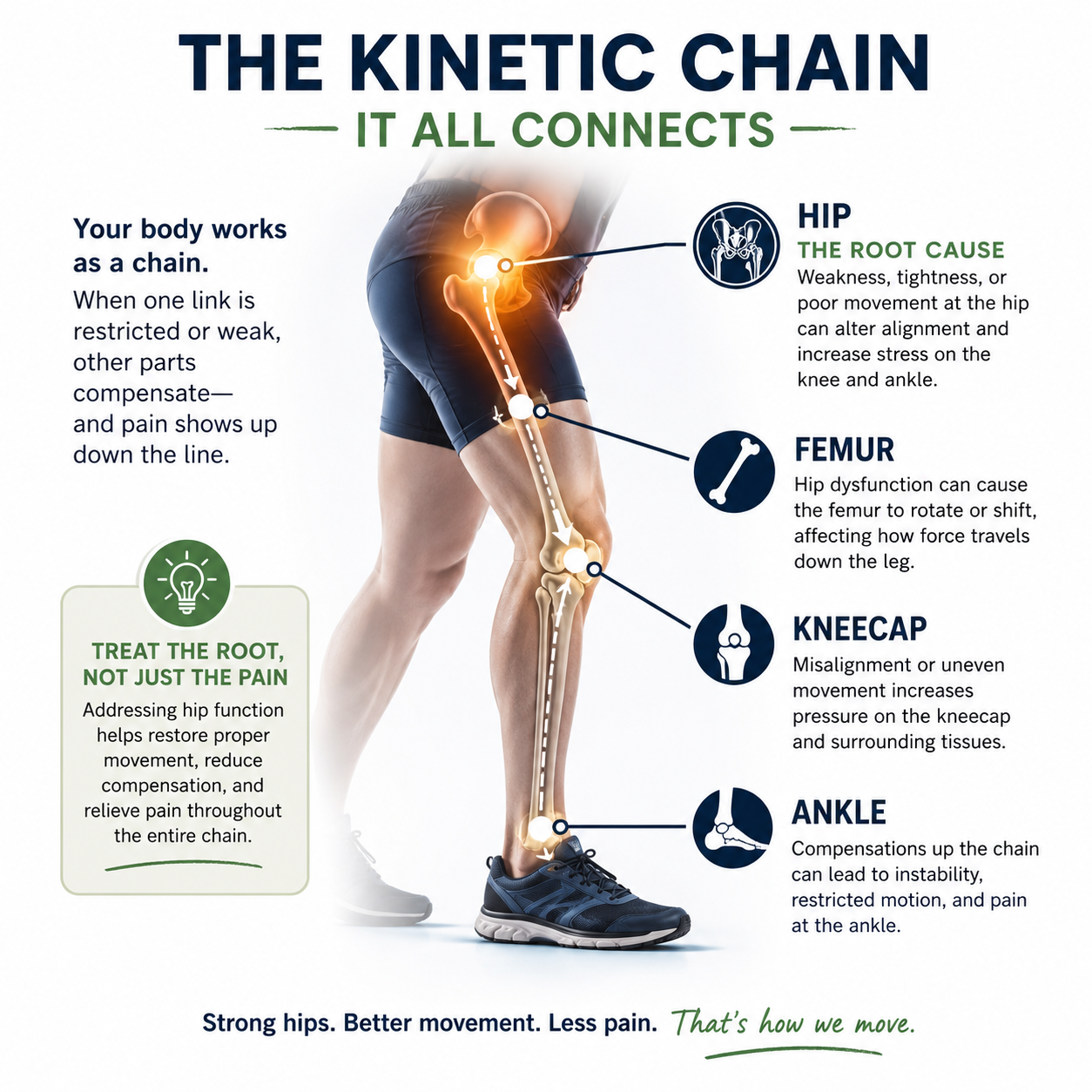
Most patients who walk into my office assume something is torn or damaged. In nearly 30 years of practice, that's rarely what I find. What I usually see is a tracking problem. The kneecap isn't gliding through its groove the way it should, and that's often because of weakness or imbalance somewhere else in the kinetic chain, most commonly the hip.
People come in expecting an MRI and a scary diagnosis. Most of the time it's a mechanical issue that responds well to the right kind of care, and that's genuinely good news.
What's Really Causing the Pain
Overuse gets blamed for everything, and it's part of the story, but it's not the whole story. I look at three things first in every runner who comes in with this: hip weakness, especially in the glute medius, foot mechanics like overpronation, and training errors such as ramping up mileage too quickly.
When the hip can't stabilize the femur properly, the whole leg rotates inward under load, and that pulls the kneecap off its natural track. Research on runners with patellofemoral pain has documented measurable changes in hip strength and knee movement patterns that improve with targeted hip strengthening. I've had runners come in who increased their weekly mileage by 50 percent in a month, wondering why their knee is screaming. The knee is often just the messenger. The problem is usually upstream or downstream from it.
A Real Patient Story
I had a woman in her mid-30s training for her first half marathon. Textbook anterior knee pain, worse going down stairs, worse after long runs. She'd already tried rest and ibuprofen with zero improvement.
On exam, her hip strength was noticeably weaker on the painful side, and her arch collapsed under load. We started with adjustments to restore proper motion through the hip and lower back, added Class 4 laser therapy to calm the inflammation around the kneecap, and built a home program targeting glute and hip strength. Within four weeks she was running pain-free.
The lesson I give every patient like her is the same one I'll give you. Treating the knee alone almost never works if the hip is the actual problem.
Treatments That Actually Work
Chiropractic care to address hip and pelvic alignment, targeted strengthening of the glutes and hip stabilizers, and activity modification while healing, not necessarily complete rest, form the foundation of real recovery. This isn't just clinical opinion. A systematic review of hip muscle strengthening for patellofemoral pain syndrome concluded that hip strengthening effectively reduces pain intensity and improves functional capability in these patients, and other controlled trials have found that adding hip-focused work to a knee-only program improves outcomes.
Class 4 laser therapy is something I use often in these cases because it reduces inflammation and accelerates tissue healing without medication. What doesn't work well long term is just icing it and hoping it resolves, or relying on cortisone injections that mask pain without fixing the mechanical cause underneath it.
When there's meaningful soft tissue irritation around the kneecap and surrounding tendons, some of my patients also ask what they can do between office visits to support the healing process. This is where RECOVER by AgeRecode can be a helpful addition. It's a peptide and antioxidant complex built around BPC-157, GHK-Cu, and carnosine, designed to support tissue repair, collagen production, and reduced inflammation at the cellular level. It's not a replacement for hands-on care. Adjustments and laser therapy are what initiate the healing process. RECOVER simply helps the body continue that repair work in between visits, which is often where patients lose momentum. It's not appropriate for everyone, particularly those on blood thinners or who are pregnant, so it's worth a conversation with your provider first.
Common Mistakes That Make It Worse
The biggest one is returning to full mileage too soon because the pain temporarily eased up. Pain going away doesn't mean the underlying weakness or mechanical fault is fixed. Another mistake is only stretching the knee area instead of strengthening the hip.
I also see runners who switch shoes constantly chasing a fix, when the real issue is how their hip and foot are functioning, not what's on their feet. And skipping the strength work because it feels less important than the run itself. Strength training is not optional for a runner. It's the foundation that keeps you running.
When to Stop Pushing Through It
If pain lasts more than a week or two despite backing off mileage, if it's affecting how you walk, or if you notice swelling, catching, or instability in the knee, it's time to get looked at. I'd also say if this same pain has flared up two or three times in the past year, that's your body telling you the underlying cause was never actually addressed. Waiting it out repeatedly just deepens compensation patterns elsewhere in the body.
A Realistic Recovery Timeline
Mild cases often improve significantly in two to four weeks with the right combination of adjustments, laser therapy, and strengthening. More stubborn or long-standing cases can take six to eight weeks. The biggest variable isn't the treatment, it's compliance with the home strengthening program.
I tell patients that in-office care creates the opportunity for healing, but the strength work is what actually closes the gap long term. Weeks one and two are usually about calming pain and inflammation. Weeks three onward are about rebuilding strength and slowly reintroducing running mileage.
Why I Treat Runners the Way I Do
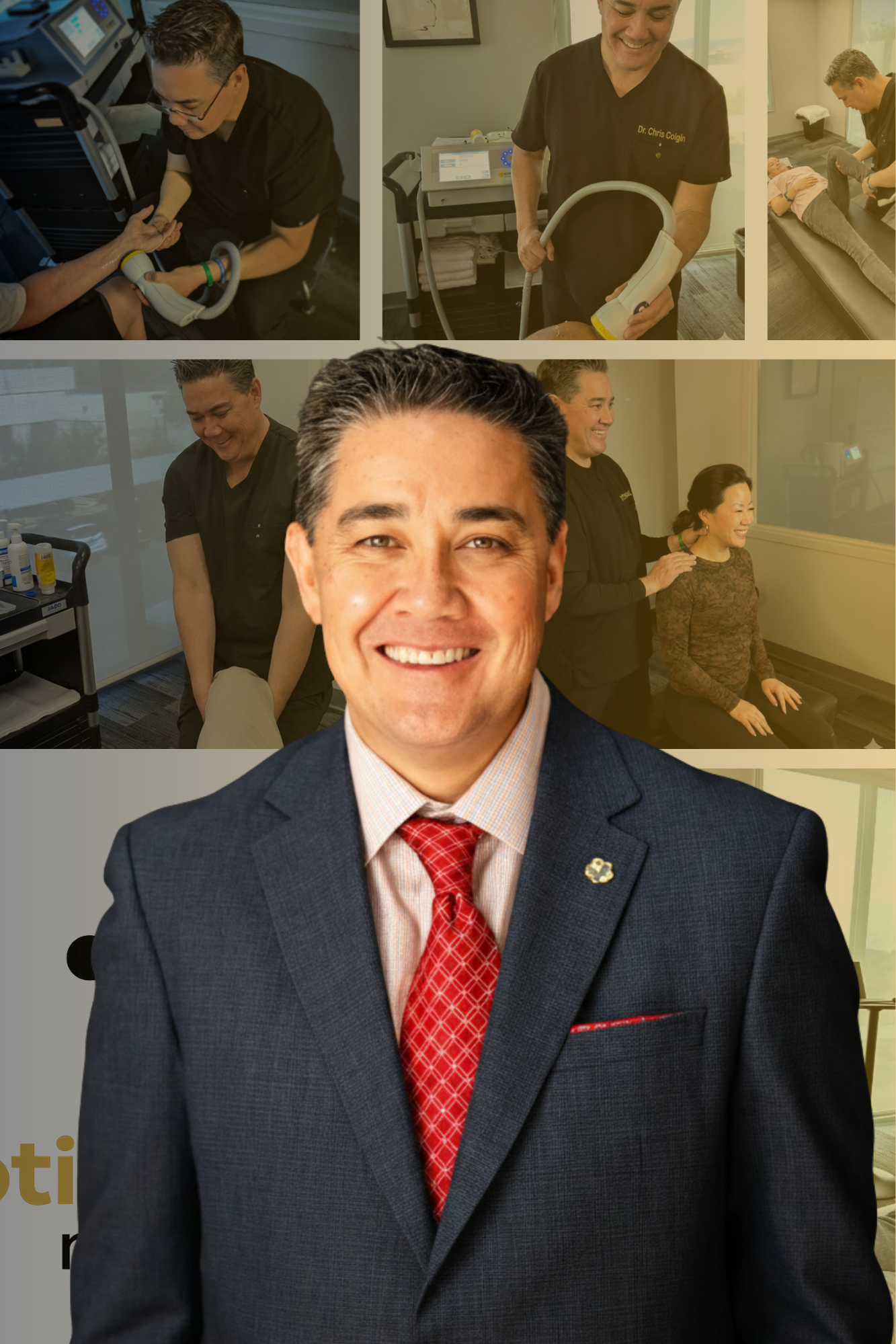
I believe the body was built with an incredible capacity to heal itself when it's aligned and supported properly. My job isn't to override that design with medication or unnecessary intervention, it's to remove what's blocking it and give the body what it needs to do its own repair work.
With runners especially, I see people chasing a finish line for something bigger than themselves, a charity, a family member, a personal milestone. I want to get them back on the road, not just pain-free for a week, but genuinely strong and capable for the long run, literally and otherwise.
Runner's knee is rarely a sign that something is broken. It's usually a sign that something upstream isn't doing its job, and the knee is paying the price. That's actually good news, because it means this is fixable without surgery or long-term medication for most people. Get evaluated for the real cause, not just the symptom. Address the hip. Do the strength work. And don't accept "just stop running" as your only option.
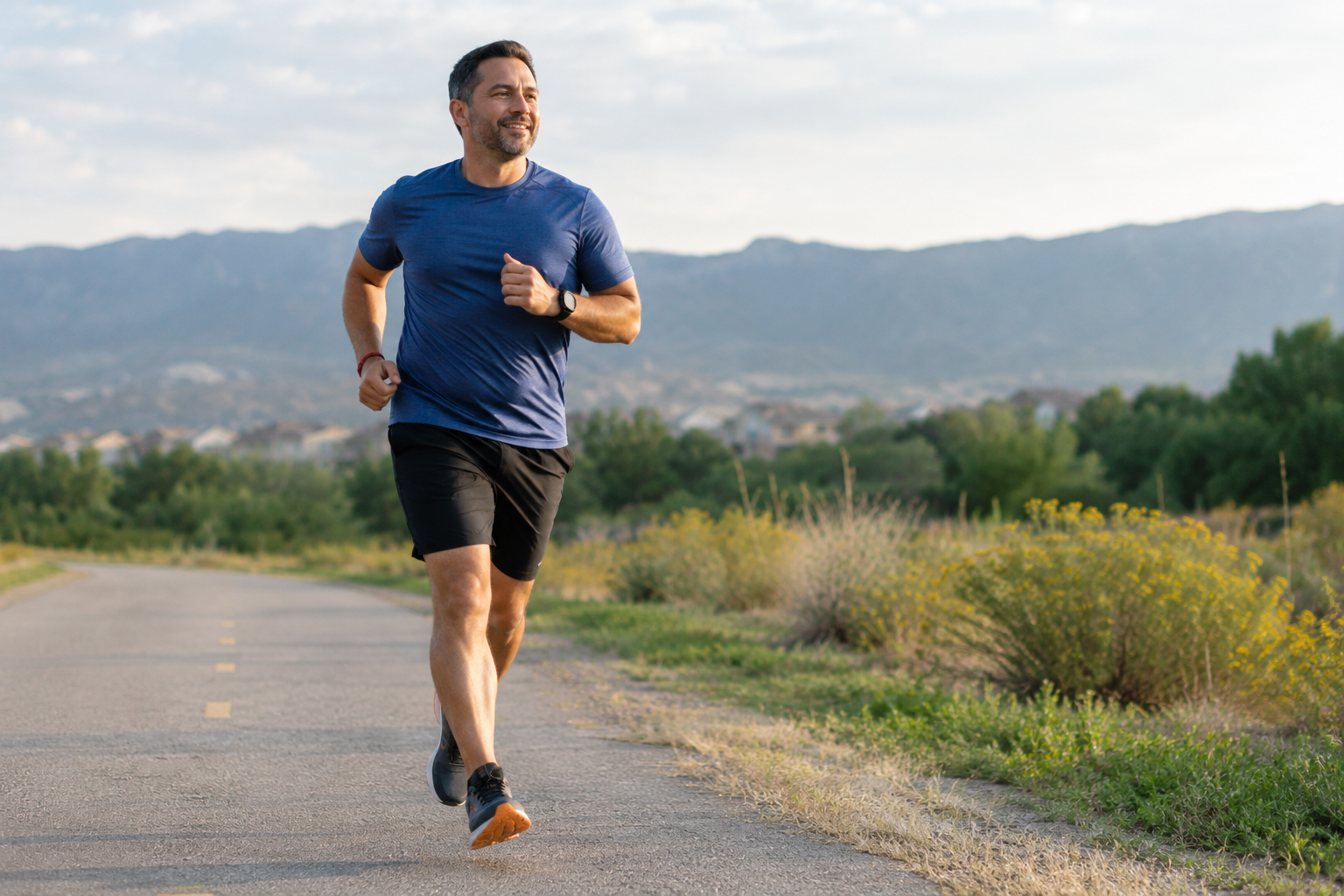
If you're dealing with runner's knee and you're tired of the rest-and-hope-for-the-best cycle, I'd like to help you find the actual cause and fix it. At Optimal Health Members in Henderson, we combine chiropractic care, Class 4 laser therapy, and targeted strength guidance to get runners back on the road stronger than before, not just temporarily pain-free.