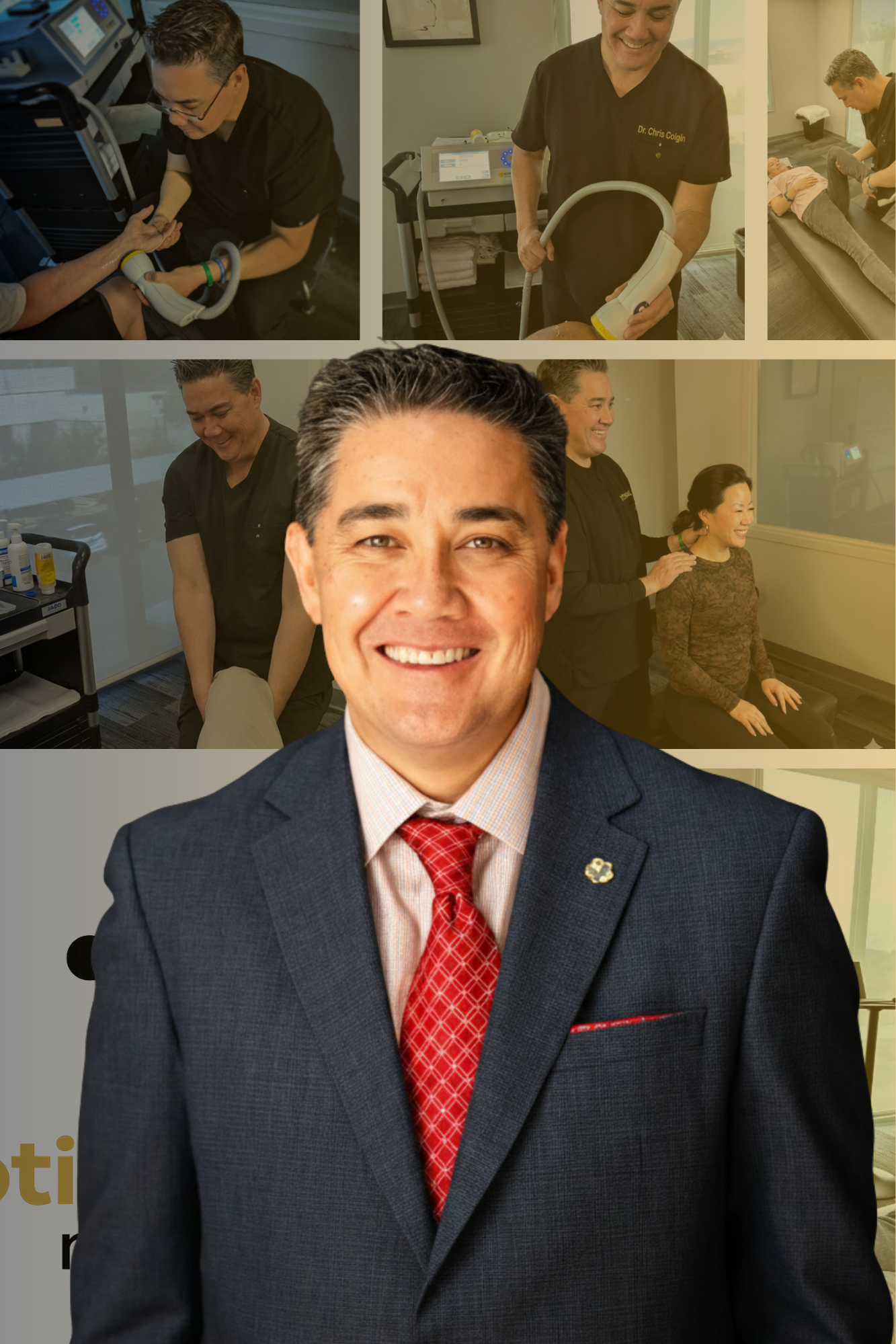
Numb Fingers From Desk Work: What's Causing It?
It usually starts around the same time every afternoon. You are typing, scrolling, or holding the mouse, and your fingers go quiet. First a tingle. Then a dull, far-away feeling, like your hand fell asleep without asking. You shake it out, flex your wrist, and the feeling comes back, at least until tomorrow. Or until 2 a.m., when it wakes you up.
If that sounds familiar, you are not imagining it, and you are not alone. I have been in clinical practice as a chiropractic physician for nearly 30 years, and numb fingers in people who work at a desk are among the most common complaints I see. Most patients walk in with the same theory: it must be carpal tunnel. Many have already bought a wrist brace.
Sometimes they are right. Often the story is bigger than the wrist. In this article I will walk you through what I look for, what the research says, which warning signs you should never ignore, and what you can change at your desk starting today.
Quick Answer: Numb fingers from desk work usually come from a nerve being squeezed somewhere between the neck and the wrist. The most common causes are carpal tunnel syndrome, cubital tunnel syndrome, a pinched nerve in the neck, and thoracic outlet syndrome. Which fingers go numb points to the location, and the cause is not always in the wrist.
Key Takeaways
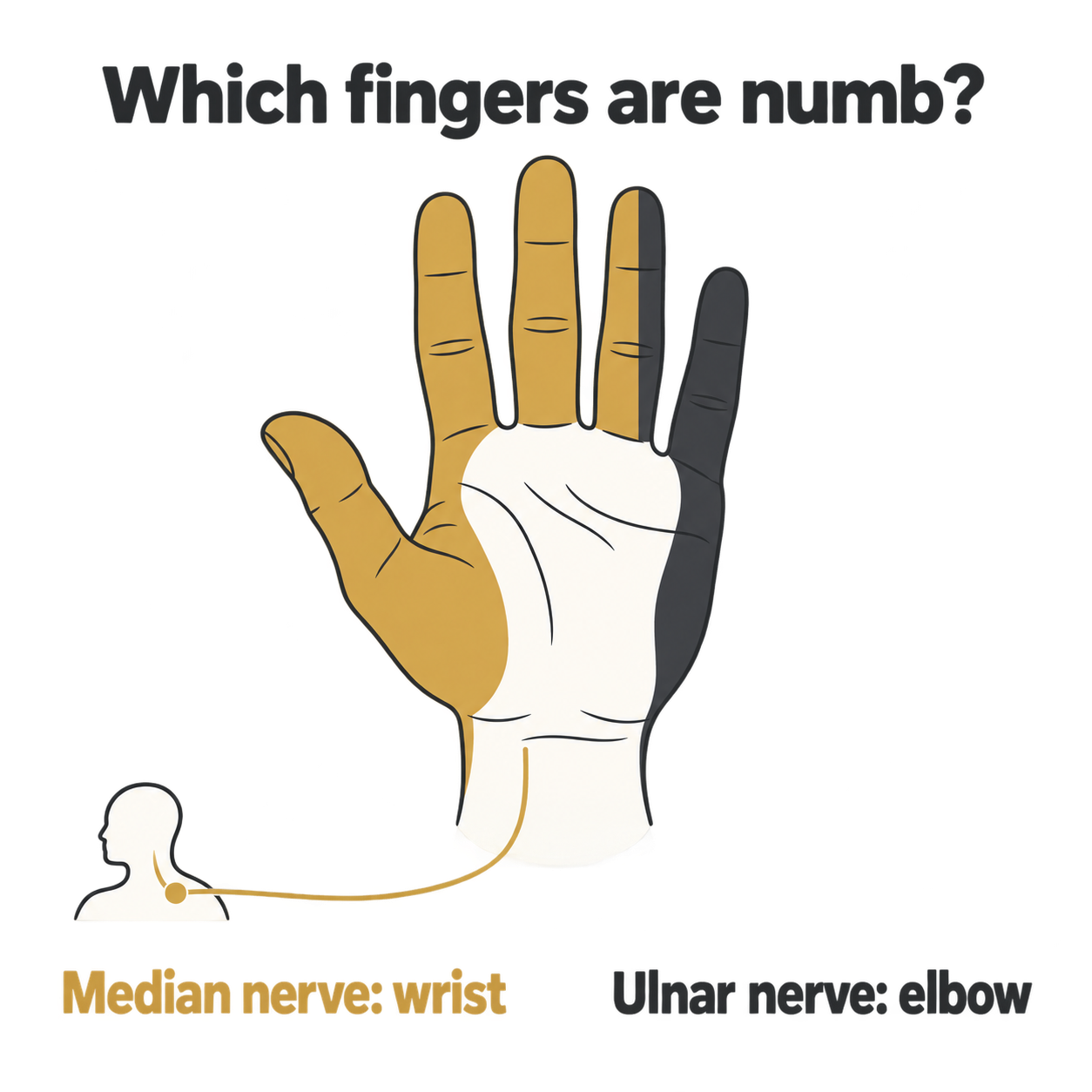
Which fingers go numb is the best first clue. Thumb, index, and middle finger usually point toward the median nerve at the wrist, while ring and little finger point toward the ulnar nerve at the elbow.
The neck matters more than most people expect. A pinched nerve in the neck can send numbness into the hand and is easy to miss when only the wrist is treated.
Sudden numbness or weakness, especially on one side of the body, is an emergency and not a desk problem.
A course of nonsurgical care is a reasonable first step for carpal tunnel, with a plan to reassess if symptoms do not improve within roughly 2 to 7 weeks.
Diabetes, low B vitamins, and thyroid problems can also cause numb hands, so a proper evaluation matters.
Which Fingers Are Numb Tells Me Where to Look
When a patient tells me their fingers go numb at the desk, the first thing I ask is which ones. The fingers are rarely the real problem. They are where the signal shows up. The problem is somewhere along the path that nerve travels, from the neck through the shoulder and elbow down to the wrist and hand.
The pattern matters. Thumb, index, and middle finger point me toward the median nerve, the nerve involved in carpal tunnel syndrome. Mayo Clinic notes that carpal tunnel usually affects the thumb and the index, middle, or ring fingers, but not the little finger. Numbness in the ring and little finger points me toward the ulnar nerve, which can be irritated at the elbow in cubital tunnel syndrome. Those symptoms are often worse when the elbow stays bent for long periods, such as while holding a phone.
If the numbness comes with neck pain, pain between the shoulder blades, or a feeling that it travels down from the neck, I start thinking about the neck itself. Cervical radiculopathy can cause pain, numbness, and weakness that spread from the neck into the shoulder, arm, and hand. From there I look at the neck, shoulders, elbows, and wrists together, and I watch how the person sits.
The Most Common Reasons Desk Workers Lose Feeling in Their Fingers
Four show up again and again in my office.
Carpal tunnel syndrome. This is pressure on the median nerve as it passes through a narrow passageway in the wrist. Mayo Clinic notes that wrist anatomy, other health conditions, and possibly repetitive hand motions can all contribute, and that many times there is no single cause. That last part is important. Desk work rarely acts alone.
Cubital tunnel syndrome. The ulnar nerve sits close to the surface at the inside of the elbow, which is why leaning on a hard desk edge or keeping the elbow bent for hours can bother it. Mayo Clinic Healthcare describes it as the second most common nerve compression condition in the upper limb, after carpal tunnel.
A pinched nerve in the neck. Doctors call it cervical radiculopathy. The American Academy of Orthopaedic Surgeons explains that it happens when a nerve is compressed or irritated where it branches away from the spinal cord. The same source notes that most cases respond well to conservative care, including medication and physical therapy, without surgery.
Thoracic outlet syndrome. Here, nerves or blood vessels get pressed in the space between the neck and shoulder. Mayo Clinic explains that it can cause shoulder and neck pain along with numbness in the fingers, often the ring and little finger, and that it is not common, possibly because it is hard to diagnose. In my experience, a forward head and rounded shoulders make that space more crowded, which is why I check it in every desk worker.
Why the Wrist Brace Often Is Not Enough
I have lost count of the patients who arrive wearing a brace they have worn for months with little change. The brace is not wrong. The American Academy of Orthopaedic Surgeons carpal tunnel guideline lists splinting as a reasonable step before considering surgery. The problem is that a brace only addresses one possible location.
There is a concept called double crush syndrome, first proposed in 1973. The idea is that a nerve squeezed in one place may become more vulnerable to a second squeeze farther down its path. A published review of the concept describes carpal tunnel syndrome combined with cervical radiculopathy as the most frequent version when the median nerve is involved. Researchers still debate how often it truly occurs, and the same AAOS guideline notes there is not enough evidence to give specific treatment recommendations when carpal tunnel coexists with a pinched nerve in the neck.
So I will not tell you double crush explains everything. What I will tell you is what I see in practice: when the wrist has been treated and the numbness stays, the neck is the first place I look next.
How Your Desk Setup Puts Pressure on Your Nerves
The worst habit I see is a head that drifts forward toward the screen. A widely cited model published in Surgical Technology International estimated that the load on the cervical spine climbs from roughly 10 to 12 pounds in a neutral position to about 27 pounds at 15 degrees of forward tilt and about 60 pounds at 60 degrees. That figure comes from a model, so I treat it as an illustration and not a diagnosis. But it matches what I feel when I examine a desk worker: tight muscles at the back of the neck, a stiff mid-back, and shoulders that have rolled forward.
A few other habits show up again and again:
A monitor that sits too low, so the chin pokes forward.
A laptop serving as the entire workstation, so the screen and keyboard cannot both be at the right height.
Elbows parked on hard armrests or the desk edge, which can press on the ulnar nerve.
Wrists bent upward or resting on the keyboard edge for hours.
Mayo Clinic lists repeating a motion such as typing many times among the ways nerve pressure can develop. In my experience, the position and the stillness compound each other. It is rarely one bad hour. It is eight hours in the same shape.
A Patient Story: When the Wrist Was Not the Whole Story
I want to share a story that captures how this plays out. I will keep her details private. She was in her early 40s, an accountant who spent most of her day on a laptop. Her right hand kept going numb, and it had started waking her at night. She had already bought two wrist braces.
When I examined her, the wrist tests were mildly positive, but her neck was very restricted, her upper back was stiff, and her head sat well forward of her shoulders. We worked on her neck and upper back with chiropractic care, used Class 4 laser to calm the irritated tissue, and changed her workstation. Within a few weeks the night waking stopped. The daytime tingling faded soon after.
She told me she wished she had come in before she bought the braces. I hear that a lot. It is not that the braces were a bad idea. It is that the wrist was only part of the picture.
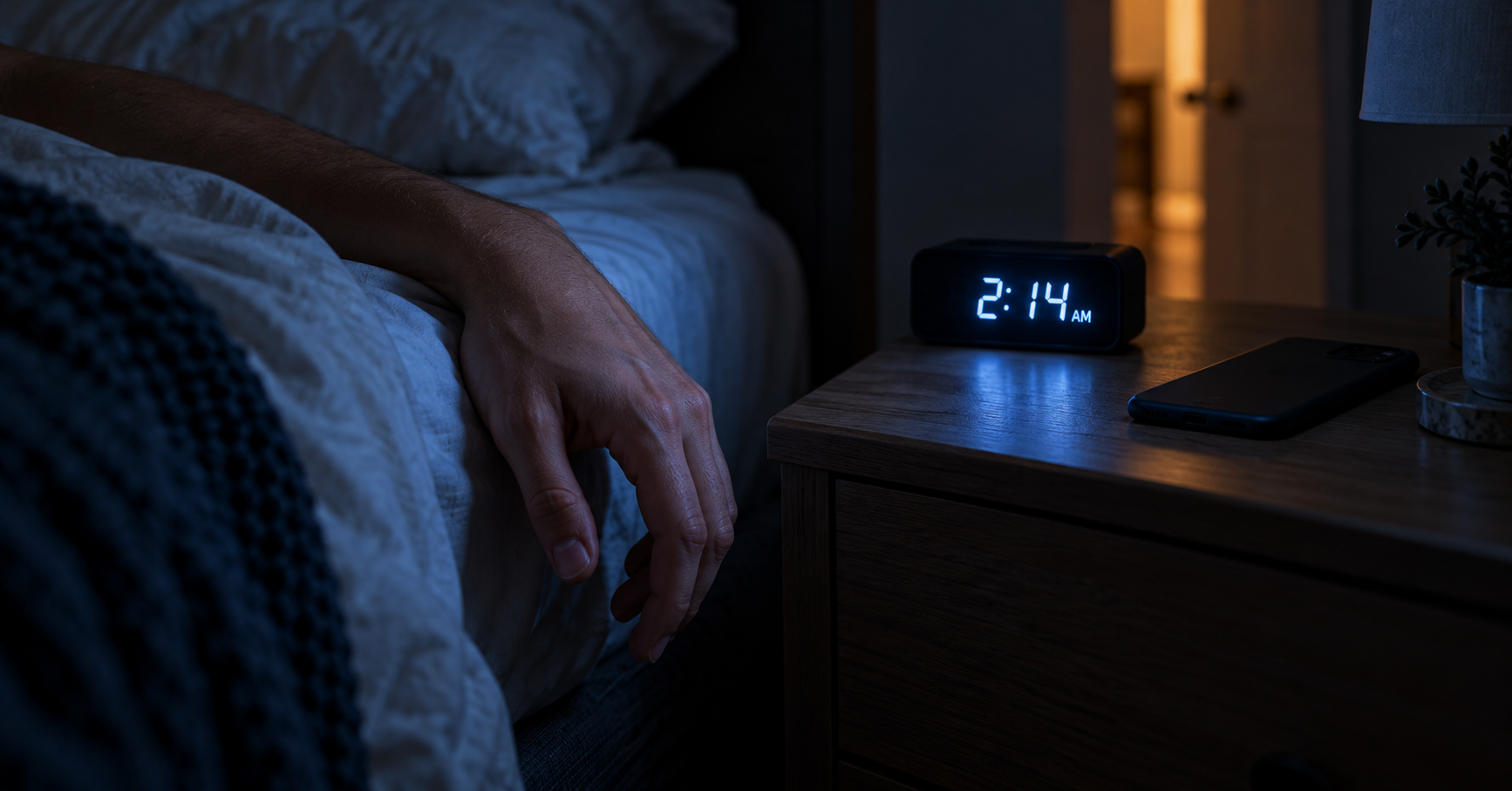
I want you to get seen if the numbness lasts more than a couple of weeks, wakes you at night, or keeps coming back. Mayo Clinic notes that carpal tunnel sensations can wake you from sleep and that weakness in the hand can develop over time. If you notice weakness, dropping things, or a loss of grip strength, do not wait. Those are signs the nerve is under real strain and needs a proper exam. When I think testing would help, I order nerve conduction studies, imaging, or lab work, or I refer you to the right specialist. Good care means knowing when something is outside what I should manage alone.
Call 911 if numbness or weakness comes on suddenly, especially on one side of the body, or arrives with confusion, trouble speaking, vision changes, dizziness, or a severe headache. The National Institute of Neurological Disorders and Stroke lists those as stroke warning signs, and that is not a desk problem.
Not every numb hand comes from the desk, either. Mayo Clinic lists diabetes, B vitamin deficiencies, and kidney, liver, or thyroid disorders among the causes of peripheral neuropathy. So I ask about those, and I refer for labs when it makes sense. This article is educational and does not replace an exam.
How I Approach Numb Fingers at Optimal Health Members
I start with a thorough exam of the neck, shoulders, elbows, and wrists, and I look at how you actually work. Then I build the plan around what I find. If the pattern says wrist, I treat the wrist. If it says neck, I treat the neck. I do not sell packages people do not need.
Chiropractic care helps restore motion in the neck and upper back so the nerves have more room. The research on manual therapy for cervical radiculopathy is encouraging. A 2025 meta-analysis in the Journal of Pain Research concluded that manual therapy improved neck pain and neck disability scores, while noting that more evidence is needed on cervical traction.
Class 4 laser therapy is one of the tools I rely on to calm irritated tissue around the nerve. The published carpal tunnel research is mostly on lower-power lasers. A systematic review of randomized trials found strong evidence that low-level laser beat placebo in the very short term, up to about five weeks, with the benefit tapering off after that and long-term evidence still sparse. That is why I use laser as one part of a plan and never as the whole plan.
SoftWave therapy comes in when there is stubborn soft tissue involvement in the shoulder, forearm, or wrist. In my experience it is a useful addition when muscle and tendon tension keeps feeding the problem.
Around an irritated nerve, the muscles, tendons, and connective tissue are usually irritated too, and that tissue does much of its healing between visits, not during them. For patients who need extra support there, I sometimes recommend RECOVER™, a regenerative peptide and antioxidant complex from AgeRecode that combines BPC-157, GHK-Cu, and carnosine. It is not a replacement for hands-on care. It is meant to support the repair work that chiropractic care, Class 4 laser, and SoftWave therapy start. If you take blood thinners or anticoagulants, check with your provider first, and it is not recommended in pregnancy unless your provider approves.
What You Can Change at Your Desk Starting Today
None of this is complicated. It just has to be done consistently, and that is the part most people skip.
Raise your monitor so the top of the screen sits at eye level, and use a separate keyboard if you work on a laptop.
Keep your elbows bent to roughly 90 degrees and supported, without pressing on a hard edge.
Keep your wrists in a neutral, straight position instead of bent up or resting on the keyboard edge.
Every 30 to 45 minutes, stand up, roll your shoulders back, and give your neck a gentle stretch.
Practice chin tucks to retrain the muscles that hold your head over your shoulders.
Ask a qualified provider to show you nerve glides, which are gentle movements that help a nerve slide through its tunnel.
That last one has some support behind it. A systematic review of four randomized trials suggests that tendon and nerve gliding exercises, when combined with conventional treatment, may help carpal tunnel symptoms, although larger trials are still needed. If any movement makes your numbness worse, stop and get it looked at.
What the Research Says About Trying Natural-First Care
I am not against surgery. When it is truly needed, it is needed. But I want you to know your options before anyone talks you into something you cannot undo.
The American Academy of Orthopaedic Surgeons guideline says a course of nonsurgical treatment is an option for carpal tunnel, that early surgery is an option when there is clinical evidence of median nerve denervation, and that another treatment or surgery is suggested when the current approach does not resolve symptoms within 2 to 7 weeks. For a pinched nerve in the neck, the AAOS notes that most cases respond well to conservative care and do not require surgery.
I also want to be honest about the other side. In one randomized trial of confirmed carpal tunnel, surgery outperformed night splinting, with success rates of 80 percent versus 54 percent at three months and 90 percent versus 75 percent at 18 months. Forty-one percent of the splint group went on to have surgery anyway. That tells me two things. Surgery works when a nerve truly needs it, and waiting indefinitely on a treatment that is not working is not a plan.
My approach is simple. Give conservative care a fair, well-chosen trial. Look at the neck, shoulders, and workstation, not just the wrist. And if a few weeks of good care do not move the needle, treat that as the signal to escalate, not to wait longer.
You Are Not Stuck With This
If you are frustrated, worried this will get worse, and have been ignoring it for months, here is what I most want you to hear. You are not overreacting, and you are not stuck. Numb fingers are your body sending you a message, and the earlier you listen, the easier it usually is to fix.
I have watched people get their nights back and get back to work without fear, and it almost always starts with someone finally figuring out where the nerve is actually being squeezed. Do not push through it and hope. Get it looked at, change what you can at your desk today, and know there is a path forward.

Take the Next Step
If you live in the Las Vegas or Henderson area and your fingers keep going numb, I would be glad to help you find out where the nerve is being squeezed. You can learn more about our approach at Optimal Health Members. If you are not local, start with the warning signs and desk changes above, and get evaluated by a qualified provider near you.