What Does a Class 4 Laser Session Feel Like?
I get asked this question almost every week, usually by someone lying on my treatment table for the first time, half expecting something dramatic to happen. It never does. And that surprises people more than almost anything else about this treatment.
Quick Answer:
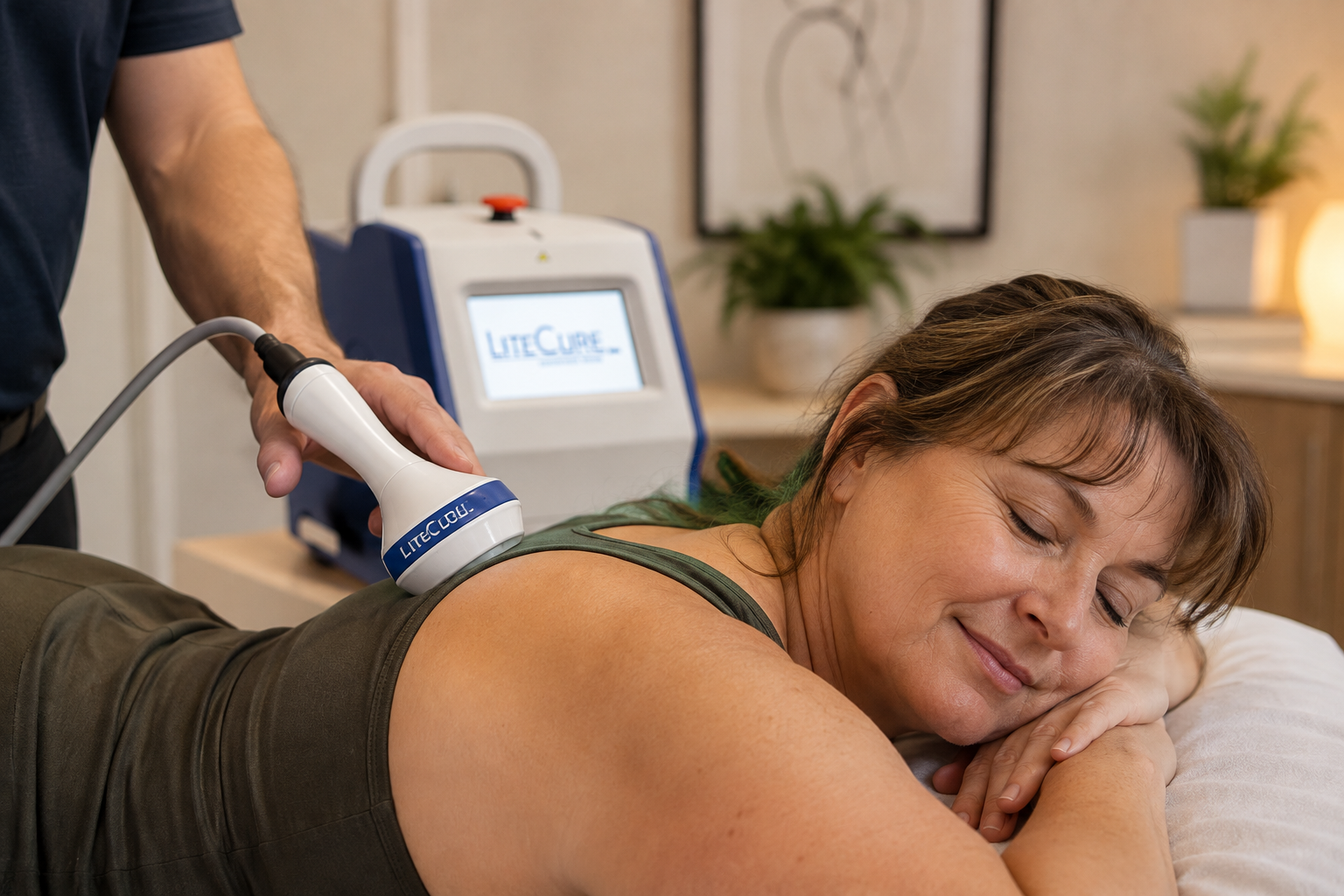
A Class 4 laser session feels like a gentle, penetrating warmth, similar to a heating pad that works from the inside out. Most patients feel mild warmth or light tingling as the laser head moves over the treatment area, with no pain, no shock, and no lasting discomfort. Sessions run eight to twelve minutes and many patients find them relaxing enough to nearly fall asleep.
Key Takeaways
Class 4 laser therapy typically produces sensations of warmth and occasional tingling, not pain, as light energy penetrates several centimeters into soft tissue.
Sessions generally last eight to twelve minutes and are commonly used for chronic low back pain, knee osteoarthritis, shoulder impingement, and plantar fasciitis.
Research on photobiomodulation therapy has shown measurable increases in local blood flow following treatment, which supports the tissue's own repair process (Larkin et al., Journal of Athletic Training).
A systematic review and meta-analysis of placebo-controlled trials found low-level laser therapy reduced pain and disability in knee osteoarthritis patients (BMJ Open, 2019).
Most patients notice a meaningful change between the third and sixth session, though acute injuries often respond faster.
What You Actually Feel During Treatment
I place the handpiece against the skin, and within the first few seconds most patients feel a gentle warmth start to build. It is nothing like a heat lamp or a hot compress. There is no dampness, no heaviness to it, just a clean, dry warmth that spreads a little deeper as I move the laser head slowly over the area. Some patients notice a mild tingling underneath that warmth, especially over joints or spots with more nerve density, like the wrist or the outside of the knee. By the end of the session, most people describe it as soothing, almost like a focused massage using heat instead of pressure. There is no shock, no buzzing, nothing sharp about it at any point.
That gentle sensation is not just comfort for comfort's sake. Photobiomodulation, which is the underlying mechanism behind Class 4 laser therapy, has been shown in controlled research to increase local blood flow to treated tissue (Larkin et al., 2012), which matters because blood flow is how your body delivers the oxygen and nutrients needed for repair.
Why New Patients Are Almost Always Surprised
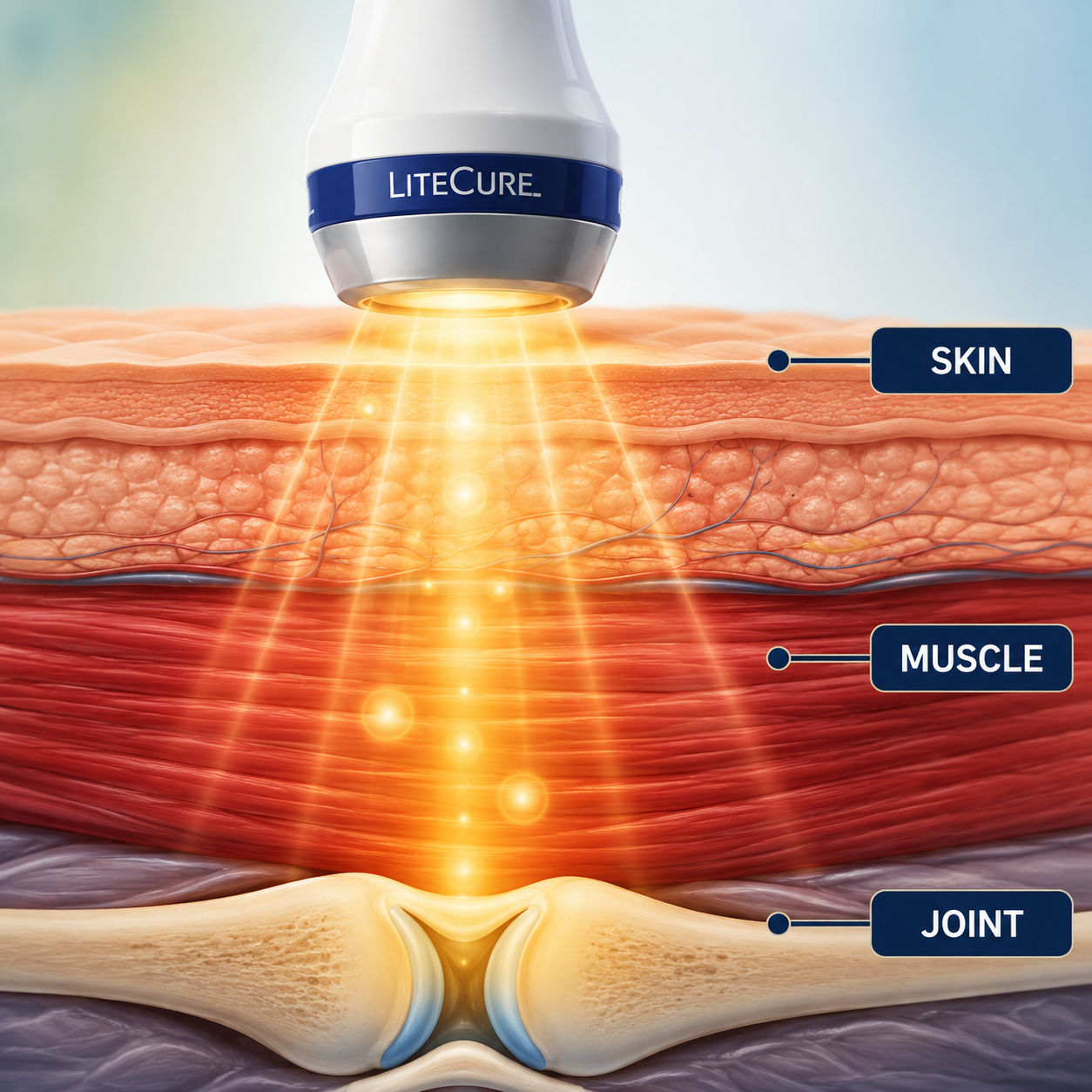
Nearly every new patient walks in expecting something more intense, some kind of laser beam sensation like they are picturing something out of a movie. What actually surprises them is how relaxing it feels. I have had patients start to doze off on the table more than once. The other surprise is how deep the warmth goes without the skin ever feeling hot to the touch. That is the real advantage of Class 4 technology over older, lower powered lasers. It penetrates several centimeters into tissue without cooking the surface, which is exactly what makes it useful for structures like the hip or lower back that sit well below the skin.
At lower settings, patients mostly feel surface warmth, comforting but subtle. As I increase power for deeper structures, the warmth becomes more noticeable, and some patients feel a rhythmic pulsing sensation if we are using a pulsed setting rather than continuous wave. Over areas with more superficial nerves, tingling is more common. None of it is painful. It is more like your body letting you know something is actively happening beneath the surface.
A typical session runs eight to twelve minutes depending on the area and the condition. For most patients, that time passes quickly. I tell people to just breathe and relax, there is nothing they need to do. It tends to feel like a small, quiet pause in an otherwise busy day.
I use Class 4 laser most often for chronic low back pain, shoulder impingement, knee osteoarthritis, plantar fasciitis, and stubborn neck tension. A recent network meta-analysis found that high intensity laser therapy combined with exercise produced meaningful improvements in pain and function for knee osteoarthritis patients (Systematic Review and Network Meta-analysis, 2024). That lines up with what I see in the office. Joints with less soft tissue covering them, like the knee or ankle, tend to transmit warmth more noticeably. Muscular areas like the low back or shoulders feel more like deep, even heat spreading through the tissue.
A Patient Whose Story Stuck With Me
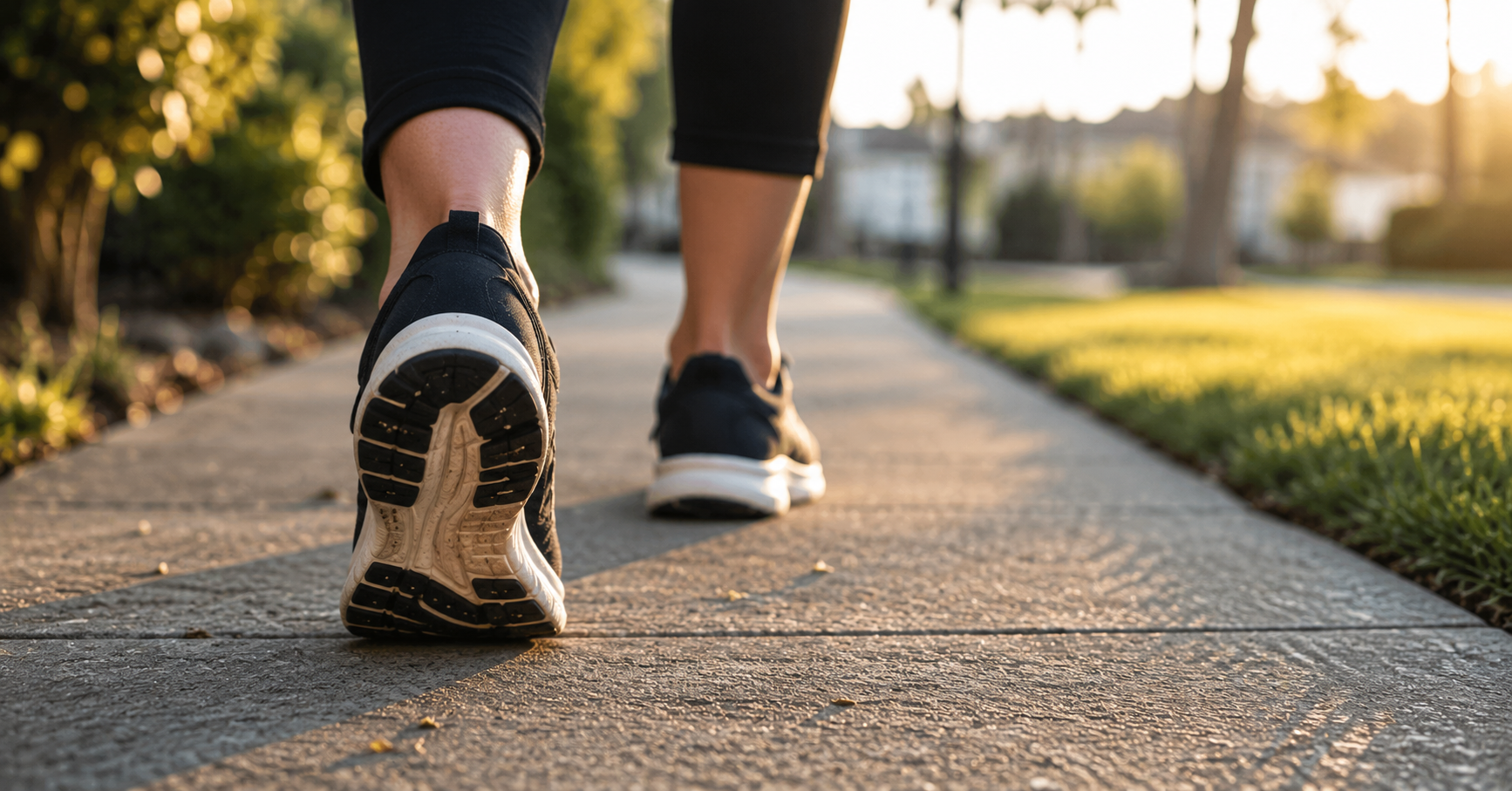
I had a patient, a woman in her sixties with knee osteoarthritis, who came in skeptical because she had tried so many things that had not worked. During her first session she kept saying "that's it, that's all I feel is warm," almost like she did not trust that something so gentle could be doing anything. By her fourth session she told me she had walked her neighborhood for the first time in over a year without her knee locking up on her. She said the sessions themselves felt like nothing more than lying still and warming up, but the change in her knee between visits told a different story.
Stories like hers are exactly why the research matters to me as much as it does. A trial on laser moxibustion for knee osteoarthritis found significant pain and function improvement in moderate cases over just four weeks of treatment (PMC, 2024), which is roughly the timeline I see in practice too.
Occasionally, if tissue is acutely inflamed, like a fresh strain or a joint that is very irritated, patients can feel a slightly stronger sensation of heat or a mild ache during treatment, similar to how a hot shower can feel more intense on inflamed skin. It is never sharp or lasting. If someone tells me it is uncomfortable, I lower the power or adjust the technique. My goal is always therapeutic, never punishing. Nobody should white knuckle their way through a laser session.
Most patients start noticing something between the third and sixth session, though acute issues can respond faster. The first change people usually report is not dramatic. It is more like "I didn't notice it hurting when I got out of bed" or "I forgot to think about my shoulder today." It tends to sneak up on them rather than announce itself.
When patients ask me if it will hurt or whether it is just a gimmick, I tell them the truth: it is one of the most researched tools I have for reducing inflammation and supporting tissue repair, and the hardest part of the whole experience is usually just holding still for ten minutes. I would rather under-promise and let the sensation speak for itself.
How Laser Fits Into a Bigger Healing Plan
Laser and adjustments work on different pieces of the same puzzle. The adjustment restores proper joint motion and nervous system function, while the laser calms inflammation and stimulates cellular repair in the surrounding soft tissue. Research on photobiomodulation after joint procedures has shown it can reduce swelling and support faster recovery when used as an adjunct to standard care (Photobiomodulation and Laser Surgery, 2025).
For patients dealing with chronic inflammation, tendon issues, or slower healing between visits, this is also where I bring up RECOVER by AgeRecode. Laser and chiropractic care do the work of initiating healing in the office, but a lot of tissue repair actually happens in the days between visits, and that is where the body needs support it does not always have on its own. RECOVER combines BPC-157, GHK-Cu, and carnosine in a multi-phase release designed to support collagen production, reduce oxidative stress, and aid the kind of soft tissue repair that laser therapy sets in motion. It is not a replacement for hands-on care. It is something that helps the body keep repairing between the sessions where the real work happens. Patients on blood thinners or who are pregnant should check with their provider before starting it, and I always have that conversation directly rather than leaving it to a label.
If you want to see whether Class 4 laser therapy fits your situation, you canlearn more about our approach to soft tissue care at Optimal Health Members.

Ready to Feel the Difference for Yourself
If chronic pain has been quietly limiting the small things in your day, a Class 4 laser session is a low pressure way to find out what is actually happening in that tissue. There is no needle, no medication, and honestly, not much to brace for. Come lie down, breathe, and let your body tell you the rest.